


Table of Contents
- Understanding Aluminum-Free Deodorant vs. Antiperspirant
- What to Expect When Switching to Aluminum-Free Deodorant
- How Long Does It Take to Transition to Aluminum-Free Deodorant
- How to Prevent Irritation From Natural Deodorant
- Aluminum-Free Deodorant Ingredients for Sensitive Skin
- Why Aluminum-Free Deodorant May Not Be Working
- Building Your Daily Routine for Success
- Frequently Asked Questions
Last Updated: October 10, 2026
Understanding Aluminum-Free Deodorant vs. Antiperspirant
Aluminum-free deodorant is a personal care product that masks or neutralizes body odor without blocking sweat. It works differently from antiperspirant, which uses aluminum compounds to plug sweat ducts and reduce perspiration itself. This distinction matters because many people confuse the two.
Here's the key difference: deodorant lets your body sweat naturally while fighting odor. Antiperspirant stops or reduces sweating. Your aluminum-free deodorant transition means choosing odor control over sweat control.
At All-Natural Healing Store, we help customers understand this shift. Many people worry their new aluminum-free deodorant isn't working when really they're just noticing sweat they previously didn't see.
What to Expect When Switching to Aluminum-Free Deodorant
The first week or two can feel strange as your body adjusts after years of blocked sweat ducts. You may sweat more visibly and notice stronger odor.
Understanding the adjustment, not detox
Many people describe this as "detoxing," but that's a misconception. Your sweat glands are simply working normally again after being suppressed by antiperspirant. You're experiencing a physiological reset, not a cleansing process.
Sweat vs. odor: two separate changes
It's crucial to separate these two things:
-
Increased sweat visibility: Antiperspirant plugs sweat ducts; aluminum-free deodorant only masks odor. You'll notice more moisture, visible sweat marks, and damper underarms, this is normal and expected.
-
Temporary odor changes: Odor may temporarily increase as bacteria adapt to a new chemical environment. This usually peaks in days 3-7 and improves by week two.
What to expect day by day
- Days 1-3: Increased moisture, possible stronger odor, possible itching.
- Days 4-7: Peak adjustment. Odor strongest here. Sweat marks more visible.
- Week 2: Noticeable improvement. Odor decreases. Irritation usually subsides.
- Weeks 3-4: Significant improvement. Sweating decreases. Odor control stabilizes.
Normal vs. problematic reactions
Normal adjustment signs:
- Increased visible sweat or moisture
- Temporary stronger odor (peaks around day 5-7)
- Light itching that improves by day 10
- Slight redness that fades within a few days
Problematic signs (stop use and try a different formula):
- Severe itching, burning, or pain that worsens after day 5
- Spreading rash or hives
- Blistering or open sores
- Persistent redness after two weeks
- Swelling or heat in the underarm area
- Sudden increase in odor that doesn't improve by week two
The timeline is individual
Your adjustment depends on how long you used antiperspirant, your natural sweat level, and skin sensitivity. Those switching after years of use may need the full 4 weeks; those switching from another natural deodorant might adjust in 7-10 days. Patience is essential.
How Long Does It Take to Transition to Aluminum-Free Deodorant
Most people need 2 to 4 weeks for a full aluminum-free deodorant transition. The first week is hardest; improvement typically appears by week two. Your timeline depends on how long you used antiperspirant, your natural sweat level, the product chosen, and skin sensitivity. Some adjust in 7-10 days; others need the full month. Switching back to antiperspirant mid-transition restarts the clock.
How to Prevent Irritation From Natural Deodorant
Irritation often comes from baking soda in natural formulas. To prevent problems: start with a baking soda-free formula if you have sensitive skin, apply only to dry underarms, wear breathable fabrics like cotton or linen, exfoliate gently once or twice weekly, and keep underarms clean and dry. Dry underarms are crucial, moisture increases irritation risk. Pat skin dry after showering and wait a few minutes before applying deodorant. Some find success applying at night, allowing absorption without sweat interference.
Aluminum-Free Deodorant Ingredients for Sensitive Skin
If baking soda irritates your skin, look for alternatives like arrowroot powder, magnesium, plant-based powders, essential oils, or zinc ricinoleate. Patch test any new product on your inner arm first, wait 24 hours and check for redness or itching. All-Natural Healing Store carries formulas vetted by Dr. House for sensitive skin to help control odor naturally.
Why Aluminum-Free Deodorant May Not Be Working
If you're past the adjustment period (week 3 or 4) and still struggling with odor, the issue usually falls into one of three categories: application technique, product-fit, or hygiene. Most people who think their deodorant has failed are actually applying it incorrectly or haven't given it enough time.
Application technique mistakes
This is the most common reason aluminum-free deodorant underperforms:
-
Applying to damp underarms: Moisture prevents proper adhesion. Always pat underarms completely dry after showering and wait 2-3 minutes before applying. Some find success applying at night when skin is dry and sweat is minimal.
-
Using too little product: A pea-sized amount is insufficient. Use a quarter-sized amount to cover your entire underarm. If using a stick, swipe 3-4 times per underarm; if using cream or paste, spread evenly with your finger.
-
Not reapplying when needed: Unlike antiperspirant, which works all day, aluminum-free deodorant may need reapplication in hot weather, after exercise, or during high-stress situations when you sweat more. Carry a small container or stick with you. Reapply midday if you notice odor returning. This is especially important during your first 2-3 weeks of adjustment.
-
Applying over residue: If you're layering new deodorant over old product without washing first, the layers can ball up and reduce effectiveness. Wash your underarms in the morning before applying fresh deodorant. If you reapply during the day, use a washcloth or wipe to remove old product first.
Product-fit issues
Not every aluminum-free deodorant formula works for every person:
-
Baking soda sensitivity: If the formula contains baking soda and you have sensitive skin, it may not be working because irritation is preventing proper application or your skin is reacting defensively. Try a baking soda-free formula with magnesium, arrowroot, or plant-based powders instead.
-
Fragrance or essential oil irritation: Some people react to tea tree oil, lavender, or synthetic fragrances. If you notice itching or redness alongside poor odor control, switch to an unscented or lightly scented formula.
-
Ingredient mismatch: Your body chemistry may not respond well to the specific active ingredients in your current product. If one formula hasn't worked after three weeks of proper use, try a different brand with different active ingredients. Some people need magnesium-based deodorants, others respond better to zinc ricinoleate or plant-based powders.
Hygiene and underarm health
Even the best deodorant can't overcome poor hygiene:
-
Bacteria and dead-skin buildup: Bacteria feed on sweat and dead skin cells. If your underarms aren't clean, odor-causing bacteria will thrive regardless of your deodorant. Wash underarms daily with soap and warm water. Use a washcloth to gently remove buildup. Exfoliate once or twice weekly with a soft brush or gentle scrub to remove dead skin.
-
Wearing the same clothes without washing: Sweat and deodorant residue accumulate in fabric. Wear clean clothes daily, especially undershirts and tops that touch your underarms. Wash clothes after one wear if possible, or at least every two days. This prevents bacteria from multiplying in fabric fibers.
-
Synthetic fabrics trapping sweat: Tight polyester, nylon, or other synthetic materials trap heat and moisture, creating an ideal environment for odor-causing bacteria. Wear breathable natural fibers like cotton, linen, bamboo, or hemp, especially during your transition period.
Timing and lifestyle factors
-
Hormonal changes: Stress, menstrual cycle, or hormonal shifts can increase sweat production and change odor. During high-stress periods, you may need to reapply more frequently or choose a stronger formula temporarily.
-
Diet: Certain foods (garlic, onions, spices, alcohol) can increase body odor. If you've changed your diet recently, this may affect how well your deodorant performs.
-
Heat and humidity: In summer or humid climates, any deodorant, even antiperspirant, works less effectively. You may need to reapply more often or choose a formula designed for active or hot-weather use.
Troubleshooting checklist
Before concluding your deodorant doesn't work, verify:
- Are your underarms completely dry before application? (If not, dry them first.)
- Are you using enough product, at least a quarter-sized amount per underarm? (If not, increase the amount.)
- Have you waited the full 3-4 weeks in adjustment mode without switching products? (If not, give it more time.)
- Are you wearing clean, breathable clothing daily? (If not, switch to cotton or linen.)
- Are you washing your underarms daily and exfoliating weekly? (If not, improve hygiene.)
- Are you reapplying during hot weather or after exercise? (If not, try midday reapplication.)
- Have you ruled out irritation from baking soda or fragrance? (If irritation is present, try a different formula.)
If you've checked all these boxes and the product still doesn't work after three weeks of consistent, correct use, the formula likely isn't right for your skin chemistry. Switch to a different brand or active-ingredient type.
Building Your Daily Routine for Success
A solid routine makes the transition easier and helps your aluminum-free deodorant perform better.
Morning routine:
- Shower and wash underarms with soap
- Pat skin completely dry
- Wait 2 to 3 minutes
- Apply aluminum-free deodorant with enough product to coat the area
- Wear breathable clothing like cotton or bamboo
Throughout the day:
- Reapply if you notice odor returning (usually not needed if the product is strong)
- Keep underarms dry by changing clothes if they get damp from sweat
- Avoid tight synthetic fabrics
Evening routine:
- Wash underarms again before bed
- Consider applying deodorant at night so it absorbs without sweat interference
- This gives the product time to work while you sleep
Many people find that applying deodorant at night works better than morning application.
Consistency matters most. Stick with the same product for at least three weeks. Track your results. Note when odor appears and how strong it is.
Switching to aluminum-free deodorant takes patience, but most people find it worth the effort. Your body will adjust. Odor control will improve.
At All-Natural Healing Store, we believe this shift aligns with the holistic wellness approach Dr. House has championed for over two decades.
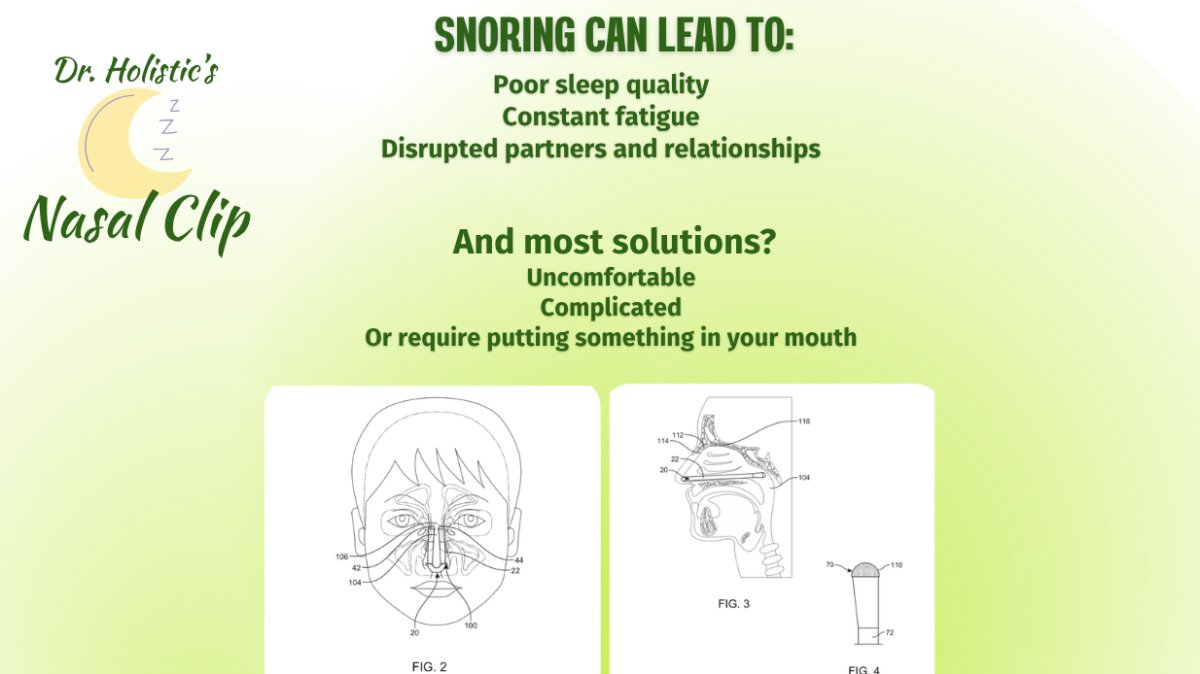
If you're interested in exploring other natural wellness solutions that support your body's optimal function, such as Dr.Holistic's Nasal Clip for Sleep Apnea, which helps support natural breathing during sleep, we invite you to browse our full range of products vetted by Dr.
Frequently Asked Questions
How long does it take to transition to aluminum-free deodorant?
Most people experience a transition period of 2 to 4 weeks. During this time, your underarms adjust as they stop being blocked by antiperspirant ingredients. Sweating and odor may temporarily increase, but this typically stabilizes as your body recalibrates. Individual timelines vary based on how long you used aluminum-containing products and your skin's sensitivity. Patience through this adjustment window is key to finding your ideal aluminum-free deodorant routine.
What ingredients should I look for in aluminum-free deodorant for sensitive skin?
Seek products with baking soda-free or low-baking-soda formulas, as baking soda is a common irritant. Look for soothing ingredients like arrowroot powder, tapioca starch, or kaolin clay for moisture absorption. Zinc oxide and magnesium provide odor control without synthetic chemicals. Avoid fragrance oils if you have reactive skin; unscented or naturally scented options are gentler. Products with coconut oil, shea butter, or plant extracts support underarm health. All-Natural Healing Store curates aluminum-free options that prioritize sensitive skin compatibility.
Why is my aluminum-free deodorant not working after the first week?
One week is too early to judge effectiveness. Your underarms are still adjusting to the absence of antiperspirant, and bacteria-fighting ingredients in natural deodorants work differently than aluminum compounds. Ensure you're applying enough product to clean, dry skin and reapplying as needed throughout the day. Check the ingredient list to confirm it targets odor-causing bacteria. If irritation or excessive sweating persists after 4 weeks, the formula may not suit your skin chemistry, and trying a different product or ingredient combination is reasonable.
Can I prevent irritation when switching to natural deodorant?
Yes. Start by exfoliating gently 2-3 times weekly to remove dead skin and reduce irritation risk. Ensure underarms are completely dry before applying deodorant. Apply a thin, even layer rather than overloading the area. Wear breathable fabrics like cotton, linen, or bamboo to reduce sweat buildup and friction. If irritation develops, switch to a baking-soda-free formula and allow your skin a few days of recovery using only water or a gentle cleanser. Patch-test new products on a small area first if you have a history of reactions.


