

Table of Contents
- What Makes Skincare Sustainable and Sensitive-Skin Safe
- Quick Comparison: Best Sustainable Skincare for Sensitive Skin
- Non-Toxic Skincare for Sensitive Skin: What to Look For
- How to Read Skincare Labels for Sensitive Skin
- Eco-Friendly Skincare Routine Steps for Reactive Skin
- Cost-Per-Use and Disposal: The Sustainability Math
- Conclusion
- Frequently Asked Questions
Last Updated: September 18, 2026
What Makes Skincare Sustainable and Sensitive-Skin Safe
Sustainable skincare is the practice of choosing formulas and packaging that reduce environmental harm while remaining gentle enough for reactive, easily irritated skin. The two goals overlap more than most people expect. This guide from All-Natural Healing Store breaks down the best sustainable skincare for sensitive skin, from ingredient screening to disposal.
The Four Criteria That Actually Matter
Four criteria separate genuine sustainable skincare from marketing claims:
- Ingredient transparency: the full list is disclosed, not just the hero botanicals
- Sensitive-skin safety: fragrance-free, non-comedogenic, and hypoallergenic where possible
- Packaging reality: refillable, biodegradable, or post-consumer recycled materials
- Ethical sourcing: cruelty-free certification and verifiable organic certification
Miss any one of these and you're buying a label, not a standard. The FDA's guidance on cosmetic labeling explains what companies are legally required to disclose, which helps you spot the gaps.
Quick Comparison: Best Sustainable Skincare for Sensitive Skin
Every option below comes from All-Natural Healing Store, where each item is personally vetted by Dr. House, known as Dr. Holistic, and backed by 30 years in the environmentally safe health and nutrition industry.
| Product | Price | Best For | Key Quality |
|---|---|---|---|
| Forge Tallow Shaving & Face Wash | $36.00 | Daily cleansing, eczema-prone skin | Grass-fed tallow, gentle enough for redness |
| Forge Sculpt & Tone Balm Beef Tallow | $14.99 | Barrier repair, day and night | Tallow and honey balm, non-greasy |
| FORGE SKIN Wrinkle Defense Beef Tallow | $32.99 | Sensitive skin needing moisture | Lightweight, fast-absorbing, all skin types |
| FORGE SKIN Beef Tallow Serum | $38.00 | Overnight barrier support | Non-comedogenic, botanical extracts |
| Botanic Hearth Tea Tree Body Wash | $18.00 | Body breakouts, itchy skin | Sulfate-free, paraben-free, cruelty-free |
Non-Toxic Skincare for Sensitive Skin: What to Look For
Non-toxic skincare for sensitive skin means formulas free of known irritants and made with ingredients your barrier can tolerate. The goal is fewer ingredients, each with a clear purpose.

Ingredients That Trigger Reactions
Synthetic fragrance tops the list of culprits. So do sulfates, drying alcohols, and some preservatives. Even "natural" essential oils cause contact dermatitis in reactive skin, which is why fragrance-free beats botanical-scented for anyone with rosacea or eczema.
Microbiome-Friendly and Fragrance-Free Formulas
Microbiome-friendly products support the skin's natural bacterial balance instead of stripping it. Look for short ingredient lists, no added fragrance, and lipids that mimic the skin barrier. Tallow-based cleansers fit this model well because the fat profile closely matches human sebum.
How to Read Skincare Labels for Sensitive Skin
Reading skincare labels for sensitive skin starts with the ingredient list, not the front of the bottle. Front-of-pack claims like "natural," "gentle," and "clean" are marketing. The back label is where the truth lives, and the order of ingredients tells you more than any badge.
The Order-of-Ingredients Rule
Ingredients are listed by weight, from highest to lowest concentration. That single rule changes how you read a bottle:
- If fragrance (parfum) appears in the first five ingredients, it is a meaningful part of the formula, not a trace.
- If alcohol denat sits near the top, the product will likely strip a reactive barrier.
- If a hero botanical is listed after the preservative, it is present at a fraction of a percent, enough for a label claim, not enough to do anything.
- If the first ingredient is water (aqua), the formula is water-based and will need a preservative system. That is not automatically bad, but it is worth knowing.
Ingredients That Trigger Reactions
Synthetic fragrance tops the list of culprits. So do sulfates, drying alcohols, and some preservatives. Even "natural" essential oils cause contact dermatitis in reactive skin, which is why fragrance-free beats botanical-scented for anyone with rosacea or eczema.
The specific offenders worth scanning for:
- Fragrance or parfum, an umbrella term that can hide dozens of undeclared compounds
- Alcohol denat, drying and disruptive on a compromised barrier
- Essential oils, lavender, citrus, peppermint, eucalyptus, and tea tree are common triggers
- Preservatives, phenoxyethanol, methylisothiazolinone, and parabens cause reactions in some users
- Active exfoliants, salicylic and glycolic acid need slow introduction, not a daily slot
- Physical exfoliants, walnut shell and sugar scrubs create micro-tears on reactive skin
Microbiome-Friendly and Fragrance-Free Formulas
Microbiome-friendly products support the skin's natural bacterial balance instead of stripping it. Look for short ingredient lists, no added fragrance, and lipids that mimic the skin barrier. Tallow-based cleansers fit this model well because the fat profile closely matches human sebum.

Certifications Worth Trusting, and How to Verify Them
Not all certifications carry equal weight, and a seal on a bottle is not the same as a verified claim. Here is how to check each one:
- Cruelty-free (Leaping Bunny): verify the brand in the program's public database, not just on the package.
- USDA Organic: the seal requires at least 95% certified organic ingredients (excluding water and salt). "Made with organic" means at least 70%, which is a different standard.
- EWG Verified: the mark requires full ingredient disclosure and a review against EWG's hazard criteria. Confirm the product appears in EWG's public database.
- MadeSafe: reviews against a restricted-substance list. Check the certification registry on the organization's site.
The Label-Reading Shortcut
If you only have thirty seconds in a store aisle, do this: flip the bottle, read the first five ingredients, and check for fragrance, alcohol denat, and essential oils. If none appear in the top five and the list is short, the product is worth a patch test. If any of the three appear early, put it back, no certification on the front can override what is printed on the back.
Eco-Friendly Skincare Routine Steps for Reactive Skin
Eco-friendly skincare routine steps for reactive skin follow one rule: introduce one product at a time. This keeps packaging waste low and makes it easy to identify what caused a reaction.
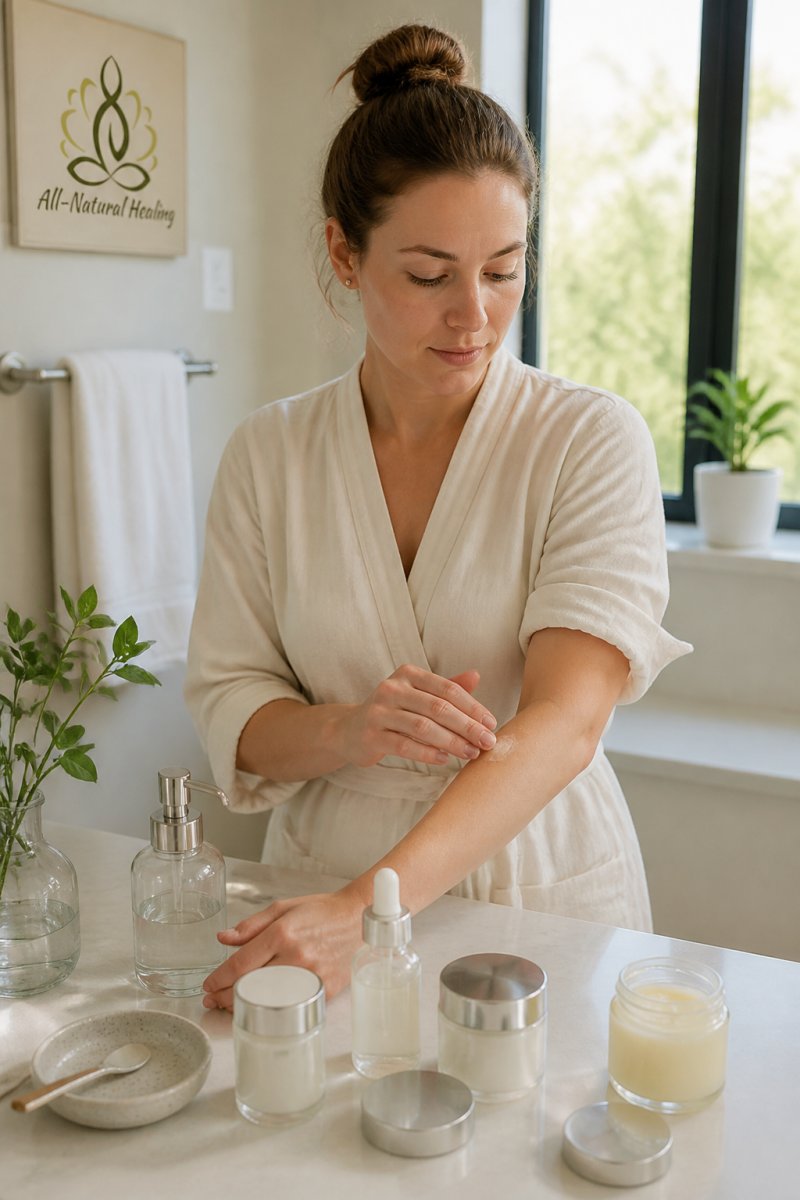
A practical routine looks like this:
- Morning: rinse with lukewarm water, apply a light tallow moisturizer
- Evening: cleanse with a gentle tallow face wash, follow with a barrier balm
- Weekly: no scrubs, no peels, just consistent hydration
Patch-Testing and Ingredient Sensitivity Protocols
Patch-testing is the single most skipped step, and it's the one that prevents most reactions. Apply a small amount behind your ear or on your inner forearm. Wait 24 hours. If there's no redness, itching, or swelling, introduce it to your face.
Cost-Per-Use and Disposal: The Sustainability Math
Most sustainable skincare roundups stop at the price tag. That is the least useful number on the shelf. What matters is cost per use, what happens to the container after the last scoop, and whether the formula actually performs in your climate. Here is the math competitors skip.
How to Calculate Cost-Per-Use
The formula is simple: price ÷ (uses per container) = cost per use.
Disposal and Recycling Nuances by Material
"Recyclable" on a label does not mean your local program accepts it. Here is how the major packaging types actually behave:
- Glass jars and bottles: widely accepted in curbside recycling. Rinse before tossing. Colored glass is accepted in most programs but has lower resale value, so some facilities reject it.
- Aluminum tins and tubes: highly recyclable and accepted almost everywhere. Empty and rinse. A tube with a plastic cap should have the cap removed first.
- Mixed-material pumps and droppers: the pump mechanism, spring, and glass or plastic body are different materials. Most curbside programs reject them as-is. Some brands run take-back programs; check the brand's site before assuming.
- Compostable and biodegradable packaging: only breaks down in industrial composting facilities, not in a home bin or a landfill. If your municipality does not offer industrial composting, this packaging behaves like trash.
- Refill pouches: usually a mix of plastic layers that curbside programs reject. Refillable glass or aluminum containers are the better loop.
Climate Changes the Math
A routine that works in one climate can fail in another, and buying for a generic "sensitive skin" profile wastes money and product.
- Arid and high-altitude climates: the air pulls moisture from skin. Heavier barrier balms and occlusive lipids hold up better and last longer per application because you need less to feel covered.
- Humid climates: heavy balms can feel suffocating and trigger heat-related breakouts. Lighter, waterless formulas or fast-absorbing serums work better and stretch further because you apply less.
- Cold winters: barrier lipids become more important as indoor heating dries the air. This is when a tallow balm earns its cost-per-use.
- Hot, sweaty summers: water-based, fragrance-free cleansers and light moisturizers reduce the risk of clogged pores and irritation.
The Sustainability Math, Summarized
Three numbers decide whether a product is actually sustainable for you: cost per use, recyclability in your specific municipality, and performance in your climate. A product that scores well on all three is worth the shelf space. One that fails any of them is a donation to the landfill with extra steps.
Conclusion
Building a routine that's both sustainable and safe for reactive skin takes patience, since every new product is a small experiment. All-Natural Healing Store curates tallow-based cleansers, balms, and serums that skip synthetic fragrance and harsh preservatives, and every item is vetted by Dr. House to protect you from modern-day pollutants.
Frequently Asked Questions
What ingredients should sensitive skin avoid in sustainable skincare?
Skip synthetic fragrance, essential oil blends, drying alcohols, sulfates, parabens, and formaldehyde-releasing preservatives. These are the most common triggers for redness, stinging, and contact dermatitis. Look instead for short ingredient lists built around grass-fed tallow, aloe vera, glycerin, and gentle plant oils. Fragrance-free and hypoallergenic formulas reduce reaction risk, and non-comedogenic options keep pores clear. If a label lists 30-plus ingredients, the odds of hitting a personal trigger rise fast.
How can I tell if a skincare brand is truly sustainable or just greenwashing?
Check for third-party certifications like EWG-verified, MadeSafe, or USDA Organic rather than trusting front-label claims. Look for specific packaging details: post-consumer recycled content, refillable containers, or packaging-free bars. A brand that publishes ingredient sourcing, cruelty-free status, and carbon-neutral shipping data is usually doing real work. Vague terms like "natural" or "eco-friendly" with no supporting documentation are a warning sign. Ask the brand directly what testing they run and whether they will share results.
Is organic skincare better for sensitive skin?
Organic certification guarantees no synthetic pesticides in the ingredients, which helps if you react to chemical residues. But organic does not automatically mean gentle. Some organic essential oils, like citrus or lavender, still irritate reactive skin. The better filter is organic certification plus fragrance-free and hypoallergenic labeling. Products like the Forge Tallow Shaving & Face Wash pair grass-fed tallow with gentle ingredients and are formulated for sensitive skin, eczema, and redness-prone complexions.
How do I transition to a zero-waste skincare routine with sensitive skin?
Change one product at a time, waiting two weeks before swapping the next item. Start with your cleanser, then moisturizer, then treatments. Choose refillable or packaging-free formats, and prioritize biodegradable formulas. Patch-test each new product on your inner forearm for 48 hours before applying it to your face. Keep a simple log of what you used and any reactions. A zero-waste routine built slowly protects your skin barrier while you reduce plastic waste.
What is the difference between clean beauty and sustainable skincare?
Clean beauty focuses on what is left out of a formula, like synthetic fragrance, parabens, and sulfates. Sustainable skincare covers the whole lifecycle: ethical sourcing, waterless or biodegradable formulas, refillable or post-consumer recycled packaging, and cruelty-free testing. A product can be clean but still ship in virgin plastic. The best sustainable skincare for sensitive skin hits both marks: non-toxic ingredients plus low-waste packaging. Read the label for both the ingredient list and the packaging disclosure.
If your skin reacts to everything you try, the problem is usually the formula, not you. All-Natural Healing Store offers grass-fed tallow cleansers, fragrance-free balms, and cruelty-free body washes, each one vetted by Dr. House and chosen for sensitive, reactive skin. Add to cart and start with a single product.


