

Table of Contents
- What Are Holistic Beauty Essentials Alternatives?
- Non-Toxic Skincare Brands That Actually Deliver
- Clean Beauty Ingredient Guide for Smart Selection
- How to Transition to Natural Skincare Without Disruption
- DIY Holistic Beauty Recipes vs. Store-Bought Alternatives
- Sustainable and Zero-Waste Beauty Practices
- Ingredient Safety Verification: How to Spot Greenwashing
- Bioavailability and Formulation Science
- Laundry and Home Care: Extending Holistic Choices Beyond Skincare
- Conclusion: Finding Your Holistic Beauty Essentials
- Frequently Asked Questions
Last Updated: September 1, 2026
What Are Holistic Beauty Essentials Alternatives?
Holistic beauty essentials alternatives are natural, non-toxic skincare and personal care products that replace conventional beauty items without sacrificing effectiveness. Rather than relying on synthetic chemicals, these alternatives harness plant-based ingredients, essential oils, and clean formulations to address skin concerns while supporting overall wellness.
True beauty starts with what you put on your skin. The shift toward holistic beauty essentials alternatives reflects a growing recognition that your skin barrier, microbiome, and internal wellness are interconnected. When you choose products free from parabens, sulfates, and synthetic chemicals, you're prioritizing authenticity, sustainability, and real results.
The challenge most people face is distinguishing between genuine holistic products and greenwashing. Many brands claim to be "natural" while hiding synthetic actives in fine print. Ingredient literacy matters most.
Non-Toxic Skincare Brands That Actually Deliver
The market for non-toxic skincare has exploded, but not all "clean beauty" brands are created equal. What separates authentic players from marketing-driven ones comes down to ingredient sourcing, manufacturing transparency, and whether the brand tests for modern pollutants.
Forge Tallow Skincare Line
Forge Tallow represents ancestral skincare wisdom combined with modern formulation science. Grass-fed beef tallow is nutrient-dense, containing fat-soluble vitamins A, D, E, and K2 that penetrate the skin barrier more effectively than many plant oils. The tallow base closely mimics your skin's natural lipid profile, making it biocompatible for all skin types, including sensitive and compromised barriers.
Research shows that grass-fed animal fats contain a balanced ratio of oleic and stearic acids, which support skin cell turnover and reduce inflammation. Forge's formulations add targeted actives like Vitamin C and botanical extracts without fillers or synthetic preservatives.
FORGE SKIN® Wrinkle Defense Beef Tallow targets fine lines and uneven tone through collagen support and deep hydration. Applied morning and evening, this balm delivers lasting moisture without greasy residue, suitable for all skin types.

FORGE SKIN Beef Tallow Serum combines tallow with botanical extracts and essential oils for overnight repair. The serum enhances skin elasticity and promotes a brighter complexion while remaining lightweight and fast-absorbing.
Tea Tree and Botanical Body Care
Tea tree oil has been used for centuries in traditional medicine for its antimicrobial and anti-inflammatory properties. Modern formulations harness this power without the harshness of conventional body washes loaded with sulfates and parabens.
Botanic Hearth Tea Tree Body Wash combines 100% pure tea tree oil with skin-loving natural ingredients to cleanse, soothe, and calm irritated skin. The formula is sulfate-free, paraben-free, and alcohol-free, making it ideal for acne-prone skin, eczema, athlete's foot, and general body care.
Clean Beauty Ingredient Guide for Smart Selection
Choosing holistic beauty essentials alternatives requires understanding what ingredients actually matter and which ones to avoid. This knowledge protects you from greenwashing while helping you identify products aligned with your wellness values.
Essential Oils and Plant-Based Actives
Essential oils are concentrated plant extracts that deliver powerful skincare benefits when used correctly. Most require dilution with a carrier oil to prevent irritation.
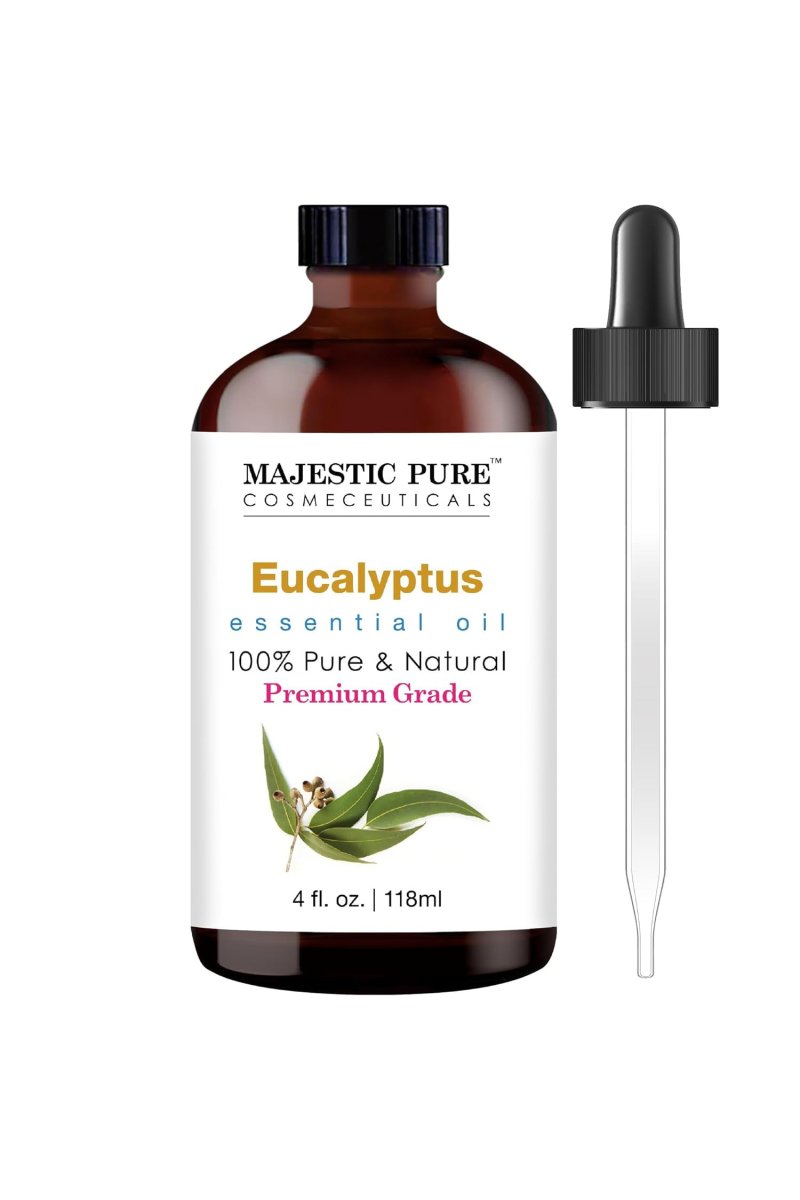
Eucalyptus Essential Oil supports respiratory health when diffused and offers anti-inflammatory benefits for skincare when properly diluted. It blends well with other oils for targeted treatments.
Lavender Essential Oil is one of the most versatile plant-based actives. It reduces inflammation, supports skin barrier health, and promotes relaxation. For skincare, dilute in a carrier oil and apply to problem areas.
Peppermint Essential Oil provides cooling and invigorating benefits. When diluted and applied topically, it helps with skin clarity and circulation. Always dilute before skin application, as peppermint is potent.
Plant-based actives work best when you understand their properties and use them intentionally.
What to Avoid in Conventional Products
Conventional beauty products often contain ingredients that compromise skin barrier health, disrupt your microbiome, or accumulate as modern pollutants over time.
Parabens (methylparaben, propylparaben, butylparaben) are synthetic preservatives that mimic estrogen in your body and accumulate with repeated exposure. Paraben-free alternatives use natural preservatives like vitamin E, rosemary extract, or fermentation-derived compounds.
Sulfates (sodium lauryl sulfate, sodium laureth sulfate) are harsh detergents that strip away your skin's natural protective oils, forcing sebum overproduction and breakouts. Sulfate-free cleansers use gentler plant-derived surfactants.
Synthetic fragrances often hide dozens of undisclosed chemicals including phthalates and formaldehyde. Choose products scented with essential oils or skip fragrance if you have sensitive skin.
Silicones (cyclomethicone, dimethicone) create temporary smoothness but don't nourish skin. They build up over time, trap bacteria, and aren't biodegradable.
According to the Environmental Working Group's cosmetics safety database, many conventional products contain ingredients linked to skin irritation, allergic reactions, and endocrine disruption. Choosing holistic beauty essentials alternatives eliminates this exposure.
How to Transition to Natural Skincare Without Disruption
The biggest fear when switching to natural skincare is that skin will worsen before improving. This adjustment phase is manageable with the right strategy. Most disruption happens because people switch everything at once.
Phase One: Swap One Product at a Time
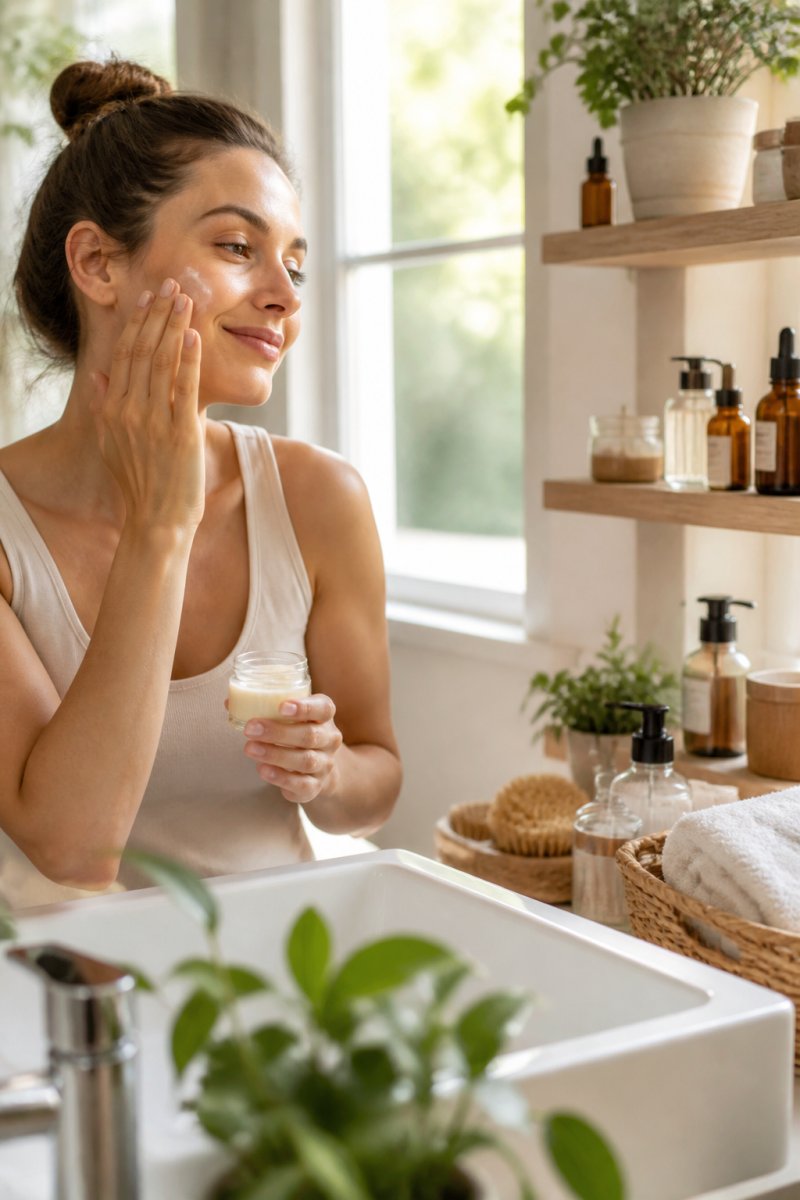
Start by replacing your most problematic product first. If you struggle with acne, begin with your cleanser. If you have dryness or sensitivity, start with your moisturizer. Give your skin 2-3 weeks to adjust before introducing the next product.
This phased approach allows you to identify which products work for your skin without creating chaos. During transition, expect some adjustment as your skin recalibrates to real ingredients. This typically resolves within 3-4 weeks.
Phase Two: Build Your Core Routine
Once you've successfully transitioned your cleanser and moisturizer, expand to targeted treatments. A solid core routine includes:
- Cleanser - removes impurities without stripping oils
- Toner or essence - balances pH and prepares skin for treatments
- Targeted serum - addresses your specific concern
- Moisturizer - locks in hydration and supports barrier health
- Sunscreen - protects against UV damage
Add one new product every 2-3 weeks. Many people find their skin improves dramatically once fully transitioned, with breakouts clearing and sensitivity decreasing.
DIY Holistic Beauty Recipes vs. Store-Bought Alternatives
The DIY beauty movement has gained momentum, but DIY isn't always better than store-bought. Understanding the trade-offs helps you make the right choice.
DIY makes sense when:
- You want to customize formulations for your specific skin type
- You have time to research and test safely
- You're making products in small batches for immediate use
Store-bought makes sense when:
- You need shelf-stable products with verified preservation systems
- You want professional-grade formulations with tested efficacy
- You lack time for experimentation
- You want accountability if a product causes a reaction
Store-bought products from quality brands include research, testing, stability guarantees, and professional formulation expertise. For most people, quality store-bought products deliver better results than amateur DIY attempts.
The real value of DIY is learning. Making your own products teaches you how ingredients work together and helps you understand what your skin actually needs.
Sustainable and Zero-Waste Beauty Practices
Choosing holistic beauty essentials alternatives extends beyond ingredients to include packaging and environmental impact. True wellness includes environmental stewardship.
Glass packaging is superior to plastic. It's infinitely recyclable, doesn't leach chemicals into products, and signals brand quality. Amber glass specifically protects light-sensitive ingredients from degradation.
Refillable systems reduce waste significantly. Some brands offer refill stations where you bring your empty container and pay only for the product.
Solid products (bars of soap, solid moisturizers, powder cleansers) require minimal packaging and last longer than liquid formulations.
Natural ingredients break down in the environment without accumulating as pollutants. Synthetic chemicals, particularly microplastics and silicones, persist in ecosystems for decades.
According to the UN Environment Programme, the beauty industry generates significant plastic waste annually. Switching to sustainable alternatives directly reduces your personal environmental footprint.
Ingredient Safety Verification: How to Spot Greenwashing
Greenwashing in the beauty industry is rampant. Brands use terms like "natural," "clean," and "green" without meaningful standards. Learning to verify ingredient safety protects you from misleading marketing.
Read the full ingredient list. Ingredients are listed by concentration. If water is first, the product is mostly water. If a beneficial ingredient appears near the end, it's present in minimal amounts.
Look for third-party testing. Legitimate brands submit products to independent labs for verification. This testing confirms the product contains what the label claims and is free from contaminants. All-Natural Healing Store products are personally vetted by Dr. House, with 30 years of experience ensuring authenticity and safety from modern-day pollutants.
Check for certifications. Look for:
- USDA Organic - confirms organic farming practices
- Cruelty-Free - verified by organizations like Leaping Bunny
- Vegan - no animal-derived ingredients
- Fair Trade - ethical sourcing and worker treatment
These certifications require third-party verification and regular audits, making them more reliable than unsubstantiated brand claims.
Research the brand's sourcing. Where do they source ingredients? Do they work directly with farmers or through distributors? Transparency about sourcing indicates confidence in their supply chain.
Avoid vague marketing language. Phrases like "made with natural ingredients" can mean 1% natural and 99% synthetic. "Clean beauty" has no legal definition. Focus on specific, verifiable claims instead.
Bioavailability and Formulation Science
Understanding how to verify ingredient safety separates informed consumers from those vulnerable to marketing manipulation. An ingredient can be "natural" and still ineffective if your skin can't absorb it. This is where formulation science matters. Quality brands invest in research to ensure their plant-based actives penetrate the skin barrier and deliver benefits. Cheaper brands use natural ingredients as window dressing without optimizing for absorption.
Concentration thresholds exist for a reason. Scientific research indicates optimal concentrations for ingredients to deliver claimed benefits without bioaccumulation risks. Products using lower concentrations for cost savings won't deliver results. Our Hydroxyapatite Toothpaste Fluoride-Free uses the scientifically-supported 7.5% ratio, it's evidence-based formulation, not marketing.

Preservation systems require scrutiny. Natural products need preservation to prevent bacterial and mold growth. Some brands use natural preservatives like rosemary extract or fermentation-derived compounds. Others hide synthetic preservatives under vague terms. Ask directly: what preservative system does this product use?
Test for personal compatibility before committing. Even natural, high-quality products can cause reactions in some people. Always perform a patch test on your inner arm before applying to your face. Wait 24 hours to assess for redness, itching, or swelling.
Laundry and Home Care: Extending Holistic Choices Beyond Skincare
The philosophy of choosing holistic alternatives extends naturally to laundry and home care. Many conventional laundry products contain the same synthetic chemicals as beauty products, just touching your skin indirectly through clothing.
Organic Wool Dryer Balls replace chemical-laden dryer sheets and liquid fabric softeners. Made from 100% New Zealand wool, these balls naturally soften fabrics, reduce wrinkles, and decrease drying time by 10-30%. They're reusable for 1000+ loads, making them far more economical than disposable sheets. Add a few drops of essential oil like lavender or lemon for natural fragrance without synthetic chemicals.
The shift to wool dryer balls aligns with the broader holistic beauty essentials alternatives philosophy: choosing materials that work with your body and environment rather than against them.
Conclusion: Finding Your Holistic Beauty Essentials
The transition to holistic beauty essentials alternatives is a journey, not a destination. Start by understanding your skin's actual needs rather than what marketing tells you to want. Choose products from brands like All-Natural Healing Store that prioritize ingredient safety, environmental impact, and real efficacy over flashy packaging and unfounded claims.
The best routine is one you'll actually use consistently. If a product doesn't deliver visible results within 4-6 weeks, it's not the right choice for you, no matter how "clean" it claims to be. True holistic beauty means respecting your skin, your values, and your overall wellness.
Ready to build your holistic beauty routine? All-Natural Healing Store offers personally vetted skincare, botanical actives, and sustainable alternatives that work. Explore our FORGE SKIN Beef Tallow Serum for advanced anti-aging, Botanic Hearth Tea Tree Body Wash for problem skin, or our essential oils for DIY formulation. Every product is selected by Dr. House with 30 years of experience ensuring you're protected from modern pollutants and getting authentic, effective alternatives to conventional beauty.

Frequently Asked Questions
Q: What makes non-toxic skincare brands different from conventional products?
A: Non-toxic skincare brands exclude synthetic chemicals, parabens, sulfates, and artificial fragrances that conventional products often contain. Instead, they use plant-based ingredients, essential oils, and natural preservatives that work with your skin barrier rather than against it. These brands focus on bioavailability, how well your skin actually absorbs the ingredients, and dermatological safety, meaning they're formulated to minimize irritation and support long-term skin health without relying on harsh additives.
Q: How do I know if a holistic beauty product is truly clean or just greenwashing?
A: Look for third-party testing verification, ingredient transparency, and specific certifications from recognized bodies. Greenwashing often uses vague terms like 'natural' without listing actual ingredients. Authentic holistic beauty brands disclose their full ingredient list, explain why each ingredient matters, and provide evidence of safety testing. Check if the brand has been personally vetted by experienced practitioners, like Dr. House's 30-year track record in the industry, rather than relying solely on marketing claims.
Q: What's the best way to transition to holistic beauty essentials without skin reactions?
A: Start by replacing one product at a time, waiting 2-3 weeks between changes to monitor how your skin responds. Begin with a cleanser or moisturizer rather than active treatments. Your skin may experience a brief adjustment period as it rebalances after years of synthetic chemicals, but this typically resolves within 4-6 weeks. Use patch tests on your inner arm first, especially if you have sensitive skin. Introduce products slowly and track which ingredients your skin responds to best.
Q: Are holistic beauty alternatives more expensive than conventional skincare?
A: Not necessarily. While some premium non-toxic brands cost more upfront, they often last longer because the ingredients are more concentrated and bioavailable. Many holistic alternatives, like DIY recipes using essential oils, cost significantly less than store-bought options. The real value lies in what you're paying for: protection from modern pollutants, authentic ingredient quality, and long-term skin health rather than temporary cosmetic effects. Brands that invest in safety verification and expert curation, like All-Natural Healing Store, justify their pricing through rigorous vetting.
Q: Can I use holistic beauty essentials if I have multiple skin allergies?
A: Yes, but with careful selection. Holistic beauty products are typically hypoallergenic and formulated with fewer irritants than conventional products, which reduces allergic reactions. However, natural doesn't mean universally safe, some people react to specific botanical ingredients. Always check the full ingredient list, perform patch tests, and start with single-ingredient products like pure essential oils diluted in carrier oils. Brands that provide ingredient transparency and safety information make it easier to identify potential triggers before applying products to your face.
This article was written using GrandRanker


