

Table of Contents
- Why Medical Expert-Vetted Supplements Matter for Your Health
- Understanding Third-Party Supplement Certification
- Risks of Unregulated Supplements and Why Vetting Protects You
- How to Read Supplement Labels and Spot Red Flags
- The Role of Clinical Evidence in Supplement Selection
- Why Expert Curation and Professional Consultation Matter
- Frequently Asked Questions
Last Updated: August 31, 2026
Why Medical Expert-Vetted Supplements Matter for Your Health
When you walk into a supplement aisle, you're facing thousands of choices. Most carry marketing claims that sound impressive. Some deliver real benefits. Others contain contaminants or ingredients that won't do anything at all. The difference between a supplement that works and one that doesn't often comes down to one critical factor: whether a medical expert has actually vetted it.
Medical expert-vetted supplements are products that have been evaluated and approved by qualified healthcare professionals before reaching consumers. At All-Natural Healing Store, we understand this distinction matters profoundly. Every product in our selection has been personally vetted by Dr. House, also known as "Dr. Holistic," who brings 30 years of experience in environmentally safe health and nutrition to ensure each item meets rigorous standards for purity, potency, and safety from modern pollutants.

The stakes are real. Unvetted supplements may contain heavy metals, undisclosed fillers, or ingredients that interact dangerously with medications you're already taking. A supplement that sounds natural on the label might harbor contaminants that undermine your health rather than support it. The FDA regulates supplements differently than medications, which means manufacturers have significant latitude in what they claim and what they actually deliver (the FDA).
This guide explains why choosing medical expert-vetted supplements protects your health, how to identify genuinely certified products, and what red flags should stop you from buying. We'll walk you through the real meaning behind third-party testing, decode what supplement labels actually tell you, and show you how to distinguish between marketing hype and legitimate clinical evidence.
Understanding Third-Party Supplement Certification
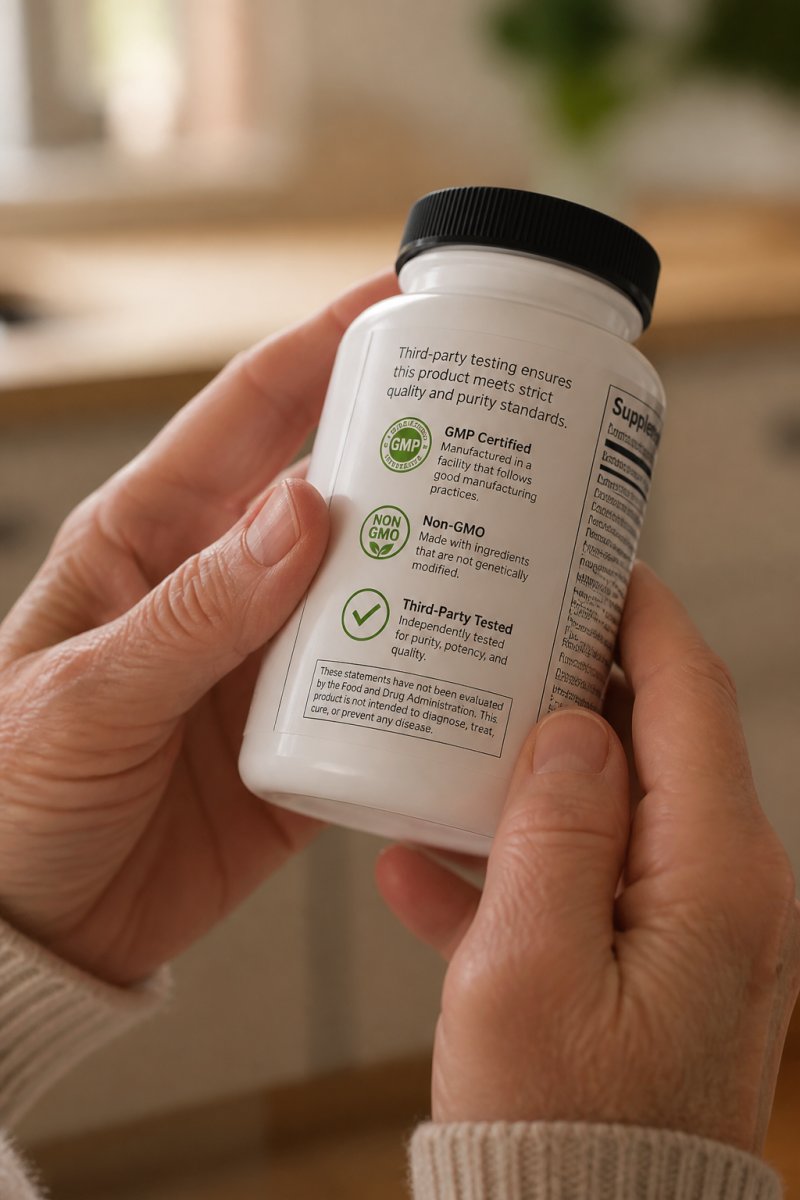
Third-party supplement certification means an independent laboratory, not the manufacturer, has tested a product to verify its contents match the label and that it's free from harmful contaminants. This is fundamentally different from a company's own quality control, which lacks the objectivity needed to catch problems.
When a supplement carries third-party certification, it means the testing organization has verified that the product contains the ingredients listed, in the amounts stated, and that it's free from undeclared additives, heavy metals, and microbial contaminants. Organizations like NSF International, USP (United States Pharmacopeia), and ConsumerLab conduct these tests to industry standards.
What Third-Party Testing Actually Verifies
Third-party testing answers specific questions about product quality. The laboratory checks whether the supplement contains what the label claims, sometimes manufacturers accidentally include too much or too little of an active ingredient. Testing also identifies contaminants that might have entered during manufacturing, storage, or transportation.
Heavy metals like lead, cadmium, and mercury can accumulate in herbal supplements, especially those sourced from regions with contaminated soil (peer-reviewed research). Microbial testing checks for bacteria and mold that could make you sick. Some tests also verify that proprietary blends actually contain the ingredients listed, not cheaper fillers masquerading as active compounds.
The testing process is rigorous but not perfect. A product can pass third-party testing and still cause problems if you have an undisclosed allergy or if it interacts with medications you take. That's why third-party certification is necessary but not sufficient, it's one layer of protection among several.
Recognizing Certified vs. Uncertified Products
Look for specific certification logos on the label or packaging. NSF Certified for Sport, USP Verified, and ConsumerLab Approved are the most widely recognized third-party certifications in the supplement industry. These logos indicate the product has undergone independent testing and meets established standards.
Uncertified products may still be safe, but you have no independent verification. The manufacturer's claim that their product is "tested" or "quality assured" means only that they tested it themselves. That's like a restaurant grading its own food safety, it lacks credibility.
When evaluating supplements, ask yourself: Can I verify this certification? Can I find the testing organization's name and contact information? If the label is vague about who tested the product or when, that's a red flag. Legitimate certifications come with documentation you can actually access.
Risks of Unregulated Supplements and Why Vetting Protects You
The supplement industry operates under looser regulatory oversight than pharmaceuticals. The FDA does not approve supplements before they're sold, unlike prescription drugs (the FDA). This means manufacturers can sell supplements with minimal evidence that they work or are safe. The burden falls on the FDA to prove a supplement is unsafe before removing it from the market, a reactive approach rather than preventive.
This regulatory gap creates space for products that are ineffective, contaminated, or both. Some manufacturers prioritize cost-cutting over quality. Others make claims they can't support. Without expert vetting, consumers bear the risk of choosing poorly.
Common Contaminants Found in Unvetted Products
Heavy metals accumulate in plants grown in contaminated soil. Lead, arsenic, cadmium, and mercury have been found in supplements that carried no warning labels. Some herbal supplements sourced from certain regions contain levels of these metals that exceed safety thresholds. A single bottle of an unvetted supplement might expose you to more lead than is considered safe for long-term exposure.
Microbial contamination, bacteria, mold, and fungi, can occur during harvesting, processing, or storage. Products stored in humid conditions are especially vulnerable. Some manufacturers use sterilization methods that damage the active ingredients, while others skip sterilization entirely to preserve potency.
Undisclosed ingredients represent another category of risk. A supplement labeled as containing only turmeric might also contain fillers, binders, or allergens not mentioned on the label. Some products have been found to contain pharmaceutical drugs mixed into herbal blends, creating dangerous interactions for people taking other medications.
The Reality of FDA Regulation vs. Marketing Claims
The FDA monitors supplement safety after products hit the market. If a supplement causes adverse health effects, the FDA can investigate and potentially remove it. However, this happens only after harm occurs. The agency lacks the resources to test every supplement on the market, so they rely on manufacturers to report serious adverse events.
Marketing claims on supplement labels often outpace the actual evidence. A supplement might claim to "support immune function" or "promote joint health" based on limited research or studies that don't meet current scientific standards. The FDA allows these vague claims because they're technically not making specific disease claims, but they're still misleading consumers into thinking the evidence is stronger than it is.
Medical expert vetting cuts through this gap. A healthcare professional evaluating a supplement considers the actual clinical evidence, not just marketing language. They verify that the product's claims align with what research actually shows, that the dose is appropriate, and that the supplement won't interact dangerously with common medications.
How to Read Supplement Labels and Spot Red Flags
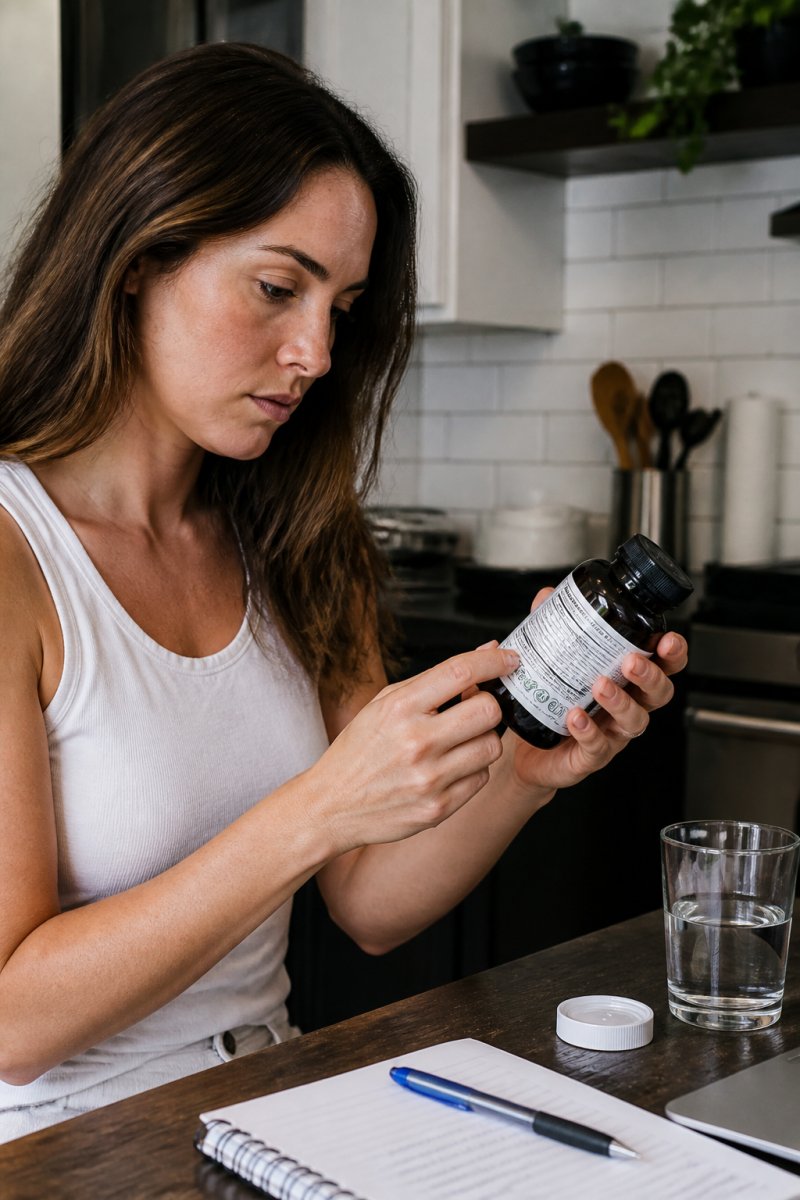
A supplement label is your primary source of information about what you're buying. Learning to read it correctly separates informed decisions from marketing manipulation.
The label must list the supplement facts panel, which shows the serving size, the active ingredients, and their amounts. It should also list inactive ingredients, fillers, binders, and preservatives. If the label is vague or incomplete, that's a warning sign.
Decoding Proprietary Blends and Ingredient Claims
A proprietary blend is a mixture of ingredients listed by the manufacturer as a trade secret. The label shows the total amount of the blend but not the individual amounts of each ingredient. This structure allows manufacturers to use cheap fillers while claiming potent ingredients are present.
For example, a proprietary blend might list turmeric, ginger, and boswellia, all with research supporting their use. But if the blend contains mostly ginger and only a trace of the more expensive turmeric, you're not getting the benefit you expect. Without knowing individual amounts, you can't assess whether the dose is therapeutic.
When you see a proprietary blend, that's a reason to be cautious. Transparent manufacturers list every ingredient and its amount. They're confident in their formula and willing to show it. Proprietary blends hide information, which benefits the manufacturer more than you.
Ingredient sourcing matters too. Some labels specify "standardized extract," which means the manufacturer has concentrated the active compounds. Others use whole plant material, which contains a broader spectrum of compounds but may be less potent. Neither is inherently better, but standardized extracts usually deliver more consistent dosing.
What Quality Indicators Actually Mean
"Natural" is not a regulated term. A supplement labeled as natural might still contain synthetic ingredients or contaminants. The word "natural" is marketing, not a guarantee of safety or quality.
"Organic" means the plants were grown without synthetic pesticides or fertilizers, which is valuable but doesn't verify purity, potency, or the absence of heavy metals. Organic soil can still contain naturally occurring contaminants.
"Clinically proven" should mean human clinical trials support the claim. But many supplements use this language based on weak evidence or studies that weren't rigorous by current standards. Ask what "clinically proven" actually means, how many people were studied, for how long, and how significant were the results?
Expiration dates matter. Supplements degrade over time, especially if exposed to heat, light, or humidity. A supplement past its expiration date may have lost potency or developed contaminants.
The manufacturer's name and address should be on the label. If this information is missing or incomplete, the product lacks accountability. Legitimate manufacturers stand behind their products and make it easy to contact them with questions.
The Role of Clinical Evidence in Supplement Selection
Clinical evidence, research conducted on human subjects, is the gold standard for evaluating whether a supplement actually works. But the supplement industry contains many research quality, from rigorous randomized controlled trials to poorly designed studies that prove almost nothing.
A strong clinical trial involves a large number of participants, a control group that receives a placebo, and measurement of actual health outcomes. The study is published in a peer-reviewed journal where other scientists can scrutinize the methodology. When multiple independent studies reach similar conclusions, confidence in the evidence increases.
Many supplements have some clinical support, but the support varies dramatically. Turmeric, for example, has been studied extensively for its potential to support joint health and reduce inflammation. Research suggests it may help, but the effect is often modest and depends on the dose, the form (standardized extract vs. whole plant), and individual variation. A vetting professional understands these nuances and helps you set realistic expectations.
Some supplements have minimal clinical evidence. They may be based on traditional use or laboratory studies that haven't been replicated in humans. Traditional use is not worthless, many modern medications come from plants used traditionally, but it's not the same as clinical proof that something works.
When choosing a supplement, ask what clinical evidence actually supports it. If the answer is "traditional use only" or "laboratory studies suggest," manage your expectations. You might still choose to use it, but you're doing so with eyes open about the uncertainty.
Why Expert Curation and Professional Consultation Matter
A healthcare provider who knows your medical history, current medications, and health goals can recommend supplements tailored to your situation. They understand drug interactions and can identify supplements that might interfere with your treatment.

Expert curation, like what All-Natural Healing Store provides through Dr. House's 30 years of experience, filters out products that don't meet standards for safety and efficacy. Instead of evaluating thousands of supplements yourself, you're choosing from a curated selection where the vetting has already happened.
This matters especially if you have chronic health concerns. A supplement that's safe for a generally healthy person might be problematic if you're taking blood thinners, managing diabetes, or dealing with kidney disease. Professional consultation ensures you're not accidentally undermining your treatment or creating dangerous interactions.
The psychological bias toward "natural" is real and powerful. Natural sounds safe, but poison ivy is natural too. Expert guidance helps you see past marketing language and focus on what actually works and what's actually safe for you specifically.
When you choose a medical expert-vetted supplement, you're investing in someone else's careful evaluation. You're not gambling on marketing claims or relying on your own ability to parse complex research. You're standing on the foundation of professional expertise and rigorous standards.
Choosing supplements without expert vetting leaves you vulnerable to contamination, false claims, and wasted money on products that don't deliver. Medical expert-vetted supplements protect your health by ensuring purity, verifying potency, and confirming that marketing claims align with actual evidence. All-Natural Healing Store's carefully curated selection, personally vetted by Dr. House with 30 years of experience in environmentally safe health and nutrition, removes the guesswork and gives you access to supplements you can trust. Beyond supplements, Dr. House also offers solutions for related wellness concerns, such as the Dr. Holistic's Nasal Clip for Sleep Apnea, which supports better breathing and overall health. Explore our collection of medical expert-vetted products and experience the difference that rigorous curation makes for your wellness journey.
Frequently Asked Questions
Q: What does it mean for a supplement to be medically expert-vetted?
A: Medical expert-vetted supplements have been personally evaluated by a qualified healthcare professional for purity, potency, ingredient quality, and manufacturing standards. Expert vetting involves rigorous assessment of clinical evidence, third-party testing results, and sourcing practices. This level of scrutiny ensures the product actually delivers what the label claims and contains no harmful contaminants or undisclosed ingredients.
Q: Why is third-party supplement certification important for safety?
A: Third-party certification provides independent verification that a supplement contains exactly what the label states and is free from contaminants like heavy metals, bacteria, and undeclared ingredients. Organizations that conduct third-party testing don't profit from supplement sales, so their results are unbiased. This testing catches manufacturing errors, mislabeling, and quality failures that manufacturers might miss or hide. Without third-party certification, you're relying solely on the manufacturer's own quality control, which creates obvious conflicts of interest.
Q: What are the real risks of taking unregulated supplements?
A: Unregulated supplements may contain harmful contaminants, incorrect ingredient amounts, unlisted allergens, or pharmaceutical adulterants not disclosed on the label. Some unvetted products have caused adverse health effects including organ damage, dangerous drug interactions, and allergic reactions. Heavy metals, pesticide residues, and bacterial contamination are common in products lacking quality oversight. Consumers also risk wasting money on ineffective products with no clinical evidence backing their claims. Expert vetting and third-party testing eliminate these hidden dangers.
Q: How do I verify the quality of dietary supplements before buying?
A: Check the label for third-party certification seals from recognized organizations, review the ingredient list for standardized extracts and specific potency amounts, and look for batch testing information. Search for clinical evidence supporting the supplement's claimed benefits. Consult your healthcare provider about potential drug interactions and whether the supplement is appropriate for your health situation. Choose brands that provide transparency about sourcing, manufacturing location, and quality control practices. Expert-curated retailers eliminate guesswork by pre-vetting products against these standards.
This article was written using GrandRanker


