

Table of Contents
- What Organic Plastic-Free Personal Care Actually Means
- Sustainable Beauty Packaging Standards to Know Before You Buy
- Microplastic-Free Cosmetics List: Ingredients to Avoid
- Zero Waste Skincare Products Worth Switching To
- Cost-Per-Use Analysis: Are Plastic-Free Personal Care Products Worth It?
- Allergy and Sensitivity Considerations for Clean Beauty Switchers
- How to Transition Your Full Routine to Zero Waste Personal Care
- Conclusion
Last Updated: August 29, 2026
Most people switching to plastic-free personal care get tripped up by the same problem: they trust the packaging more than the ingredient list. At All-Natural Healing Store, we've seen this pattern repeatedly over 30 years of curating environmentally safe health and nutrition products. The real work of going zero waste isn't finding a bar of soap wrapped in paper, it's understanding what's actually inside the product. This guide breaks down exactly what organic plastic-free personal care means, which products are genuinely worth switching to, and how to avoid greenwashing traps.
Quick Picks:
- Best Tallow-Based Cleanser: Forge Tallow Shaving & Face Wash, non-toxic, grass-fed formula with no synthetic polymers
- Best Clean Body Wash: Botanic Hearth Tea Tree Body Wash, sulfate-free, paraben-free, cruelty-free
- Best Laundry Switch: Organic Wool Dryer Balls, replaces dryer sheets for 1,000+ loads with zero plastic waste
What Organic Plastic-Free Personal Care Actually Means
Plastic-free personal care requires two commitments: packaging with no virgin plastic, and formulas free of synthetic polymer ingredients that function as liquid or invisible microplastics. A product can arrive in a glass bottle and still contain polyethylene beads, acrylates copolymer, or dimethicone, all synthetic polymers that rinse down the drain and enter waterways. True plastic-free personal care requires clean formulas alongside sustainable packaging.

The "organic" designation adds a third layer: ingredients grown without synthetic pesticides or fertilizers, ideally certified by a recognized body. Organic certification in the U.S. is governed by the USDA National Organic Program standards.
Compostable vs. Recyclable vs. Packaging-Free: What the Labels Mean
Compostable packaging breaks down into organic matter under specific conditions, usually industrial composting facilities that reach sustained high temperatures. Home compostable packaging is stricter and far rarer.
Recyclable packaging depends entirely on your local curbside program. Post-consumer recycled content (PCR) means the packaging was made using previously recycled materials, reducing demand for virgin resources.
Packaging-free products, solid bars, naked shampoos, refillable containers, eliminate the disposal question entirely. A shampoo bar wrapped in a paper band generates essentially zero packaging waste.
| Packaging Type | End-of-Life Path | Environmental Impact |
|---|---|---|
| Compostable | Industrial composting facility | High if composted correctly |
| Curbside Recyclable | Municipal recycling bin | Medium, depends on local program |
| Post-Consumer Recycled | Standard disposal | Medium, reduces virgin plastic demand |
| Packaging-Free | No disposal needed | Highest, zero packaging waste |
Sustainable Beauty Packaging Standards to Know Before You Buy
Certification labels on sustainable beauty products range from genuinely rigorous to essentially meaningless. The How2Recycle labeling program distinguishes between store drop-off recyclable, curbside recyclable, and not yet recyclable, which is far more useful than a generic recycling symbol.
For formula ingredients, look for brands that disclose full ingredient lists in INCI format. Vague terms like "fragrance" can mask dozens of undisclosed synthetic compounds. Cruelty-free certification and vegan verification add transparency around sourcing practices.
Bioplastic is worth addressing because it causes confusion. Bioplastic derives from plant-based sources rather than petroleum, but it does not automatically biodegrade. Many bioplastics require industrial composting conditions, and some aren't recyclable at all.
How to Spot Greenwashing on Eco-Friendly Labels
The biggest mistake shoppers make is treating visual cues, brown paper, green fonts, leaf logos, as evidence of sustainability. Watch for these red flags:
- Vague claims like "eco-conscious" or "earth-friendly" with no certification or specifics
- "Natural" on the front label alongside synthetic preservatives or polymer thickeners in the ingredient list
- "Recyclable" packaging in materials your local curbside program doesn't accept
- Carbon footprint claims without a named methodology or third-party audit
- Ethical sourcing language without supply chain transparency or fair-trade certification
The most reliable signal is full ingredient disclosure combined with packaging that has a verifiable end-of-life path. If a brand can't tell you exactly what happens to their packaging after use, treat the sustainability claim as unverified.
Microplastic-Free Cosmetics List: Ingredients to Avoid
Microplastics in personal care products are a documented environmental concern. According to the EPA's overview of microplastics and water quality, synthetic polymer particles that enter waterways through rinse-off products accumulate in aquatic ecosystems.
Watch for these specific synthetic polymers in ingredient labels:
- Polyethylene (PE), found in exfoliating scrubs as microbeads
- Polypropylene (PP), used as a thickener or texture agent
- Acrylates copolymer / acrylates crosspolymer, common in gel formulas and sunscreens
- Dimethicone and cyclopentasiloxane, silicone-based polymers in hair and skin products
- Nylon-12 / Nylon-6, used in powder cosmetics for slip and texture
- Polyquaternium compounds, conditioning agents in shampoos and conditioners
- Carbomer, a synthetic polymer thickener in creams and gels
The Microbead-Free Waters Act of 2015 banned rinse-off products containing intentionally added plastic microbeads in the U.S., but synthetic polymers in leave-on products, hair care, and color cosmetics remain largely unregulated.
Hidden Microplastic Sources in Everyday Personal Care
Waterproof mascara and long-wear lipstick frequently use film-forming polymers. Dry shampoos often contain synthetic starch polymers. Sunscreens commonly use acrylate-based film formers. Even some "natural" deodorants use synthetic polymer binders.
Waterless beauty and concentrated formulas tend to be cleaner because they don't require the same stabilizing polymer systems as water-based products.
Zero Waste Skincare Products Worth Switching To
Zero waste skincare works best when you approach the switch category by category rather than all at once. Start with rinse-off products: cleansers, body wash, and shampoo. These contact your skin briefly and wash away, making them lower-risk for sensitive skin. Then move to leave-on products like moisturizers and serums.

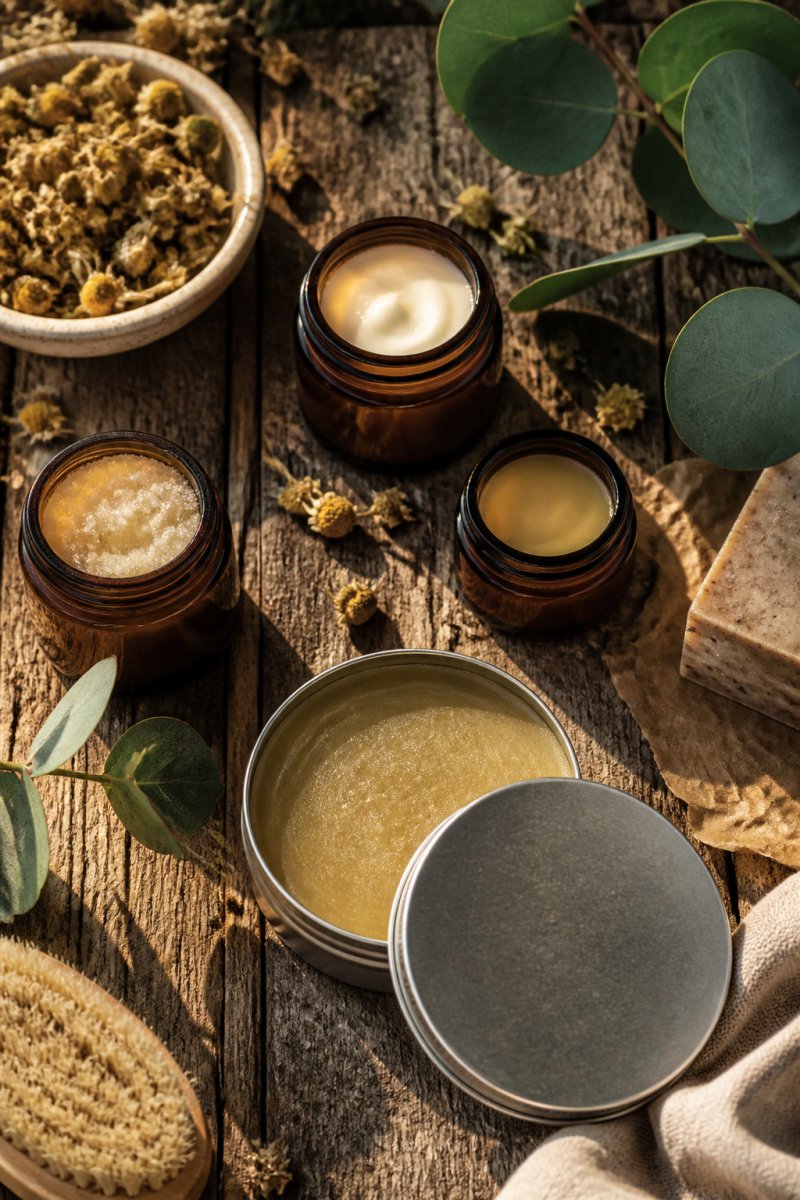
Forge Skin Tallow-Based Skincare: Plastic-Free and Non-Toxic
Beef tallow, particularly from grass-fed, pasture-raised cattle, has a fatty acid profile that closely mirrors the lipids naturally found in human skin, making it exceptionally compatible for dry, sensitive, or eczema-prone skin.
The Forge Tallow Shaving & Face Wash uses grass-fed beef tallow combined with Vitamin C and antioxidants. It functions as both a cleanser and light moisturizer for all skin types, including sensitive skin. For anti-aging support, the FORGE SKIN Wrinkle Defense Beef Tallow delivers a collagen-enriched tallow balm. The FORGE SKIN Beef Tallow Serum rounds out the line as a night serum combining tallow with botanical extracts and antioxidants to support collagen production.
What works: Tallow's biocompatibility with human skin makes these products a genuinely non-toxic, plastic-free alternative to conventional moisturizers loaded with synthetic emollients and polymer thickeners.
What to know: Tallow has a distinct scent that some people find unfamiliar at first. If you're sensitive to animal-derived ingredients, this line isn't for you.
Botanic Hearth Tea Tree Body Wash: Clean Formula, Minimal Packaging
The Botanic Hearth Tea Tree Body Wash is a clinically tested formula built around 100% pure tea tree oil. It's sulfate-free, paraben-free, and alcohol-free, skipping three of the most common synthetic additives that irritate sensitive skin.
Tea tree oil has well-documented antifungal and antimicrobial properties, making this body wash functional for managing body odor, acne, athlete's foot, and eczema-related skin concerns. The formula is cruelty-free and made in the U.S. to quality standards appropriate for daily use on both body and feet.
Organic Wool Dryer Balls: A Plastic-Free Laundry Essential
Dryer sheets coat fabrics with synthetic fragrance compounds and chemical softeners that sit against your skin all day in your clothing and bedding. The Organic Wool Dryer Balls replace dryer sheets entirely. Made from 100% New Zealand wool with no fillers, synthetics, or chemical treatments, they work by physically bouncing through fabric loads to circulate hot air, reduce static, and soften fibers naturally. Each ball is rated for 1,000+ loads.
They're hypoallergenic, baby-safe, and can be scented with a few drops of essential oil if you prefer fragrance. The packaging is plastic-free, and unlike dryer sheets, they generate zero single-use waste per load.
Cost-Per-Use Analysis: Are Plastic-Free Personal Care Products Worth It?
The upfront cost of plastic-free personal care products is often higher than conventional alternatives. The answer lies in cost-per-use rather than purchase price.
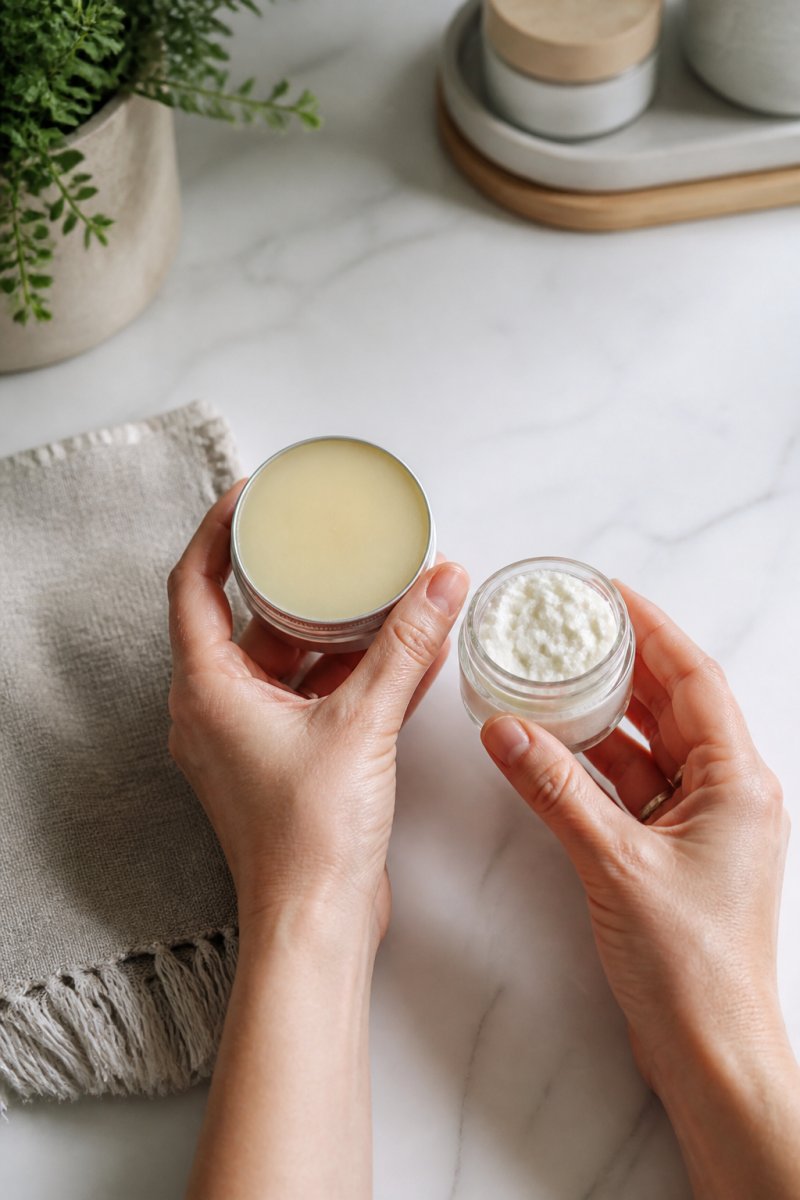
Tallow-based skincare products require smaller quantities per application than water-based creams because the formula is more concentrated. A small amount of tallow balm covers more surface area than an equivalent volume of a water-heavy lotion.
The honest caveat: some plastic-free products genuinely do cost more over their lifetime, particularly in categories like shampoo bars where performance varies significantly by hair type. The cost-per-use framework helps you evaluate each switch on its own merits rather than making a blanket assumption either way.
Allergy and Sensitivity Considerations for Clean Beauty Switchers
Switching to natural and plastic-free personal care doesn't automatically mean switching to safer personal care for everyone. Natural ingredients cause allergic reactions too, sometimes more commonly than their synthetic counterparts.
According to the American Contact Dermatitis Society's guidance on fragrance allergy, fragrance is one of the most common causes of allergic contact dermatitis, and this applies equally to natural essential oils and synthetic fragrance compounds. Tea tree oil, lavender, and citrus-derived ingredients are among the natural actives most frequently associated with skin sensitization.
For people with multiple allergies or highly reactive skin, apply these principles when transitioning to plastic-free personal care:
- Patch test every new product on the inner arm for 24-48 hours before full use
- Introduce one product at a time, staggering introductions by two weeks lets you identify the cause of any reaction
- Read INCI ingredient lists, not just front-of-label claims
- Prioritize fragrance-free formulas if you have a known fragrance sensitivity
- Be cautious with tallow if you have a known beef protein allergy, though topical reactions are uncommon
The Organic Wool Dryer Balls are specifically rated hypoallergenic and baby-safe. The Botanic Hearth Tea Tree Body Wash is alcohol-free and sulfate-free, though tea tree oil itself warrants a patch test for those with known essential oil sensitivities.

How to Transition Your Full Routine to Zero Waste Personal Care
A full routine transition works best as a staged replacement process. Use up what you have, then replace it with a plastic-free alternative when it runs out. Throwing away half-used conventional products creates more waste, not less.
Stage 1: Rinse-off products (Weeks 1-4) Start with body wash, hand soap, and face cleanser. These are the lowest-commitment switches because they contact skin briefly.
Stage 2: Laundry and household (Weeks 4-8) Replace dryer sheets with Organic Wool Dryer Balls. This switch is immediate, cost-effective, and requires no adjustment period.
Stage 3: Leave-on skincare (Weeks 8-12) Introduce moisturizers and serums one at a time. Tallow-based leave-on products may require an adjustment period for skin.
Stage 4: Hair care and oral care Shampoo bars have the steepest adjustment curve. Plastic-free oral care is straightforward to adopt at any stage.
A practical checklist for evaluating any new plastic-free personal care product:
- Full INCI ingredient list is disclosed on the label or product page
- No synthetic polymer ingredients (check for acrylates, polyethylene, dimethicone)
- Packaging has a verifiable end-of-life path (compostable, curbside recyclable, or packaging-free)
- Certification claims are from a named third-party body, not self-declared
- Fragrance is listed as specific essential oils, not the generic term "fragrance"
- Brand discloses sourcing practices for key ingredients
The circular economy approach to personal care means thinking about a product's full lifecycle, from ingredient sourcing through manufacturing, use, and disposal. As documented by the Ellen MacArthur Foundation's work on circular economy in beauty, the beauty industry generates substantial packaging waste annually, and consumer purchasing decisions are one of the most direct levers for shifting that trajectory.
Transitioning to plastic-free personal care is straightforward once you know what to look for and what to ignore. The challenge is cutting through vague sustainability claims to find products that are genuinely non-toxic, cleanly formulated, and honestly packaged. All-Natural Healing Store carries a curated selection of plastic-free personal care products vetted by Dr. House with 30 years of experience in environmentally safe health and nutrition. From the Forge tallow skincare line to the Botanic Hearth Tea Tree Body Wash and Organic Wool Dryer Balls, every product on the shelf has been evaluated for ingredient integrity and environmental impact. Start your first stage today.
Frequently Asked Questions
Q: What is the best skincare brand that doesn't contain microplastics?
A: The safest approach is choosing brands that use grass-fed tallow, plant oils, and botanical extracts as their base ingredients, with no synthetic polymers in the formula. Tallow-based products like those in the Forge Skin line avoid the synthetic thickeners and film-formers that commonly hide microplastics. Always check the ingredient list for polyethylene, acrylates copolymer, nylon-12, and carbomer, these are the most frequent microplastic offenders in plastic-free personal care products.
Q: How can I tell if a personal care product is truly plastic-free?
A: Check both the packaging and the formula. Truly plastic-free personal care means no plastic bottle or cap and no synthetic polymer ingredients inside. Look for packaging labeled compostable, glass, aluminum, or cardboard. On the ingredient list, avoid polyethylene, polypropylene, acrylates, and carbomer. Third-party certifications from organizations like the USDA Organic program or EWG Verified can add a layer of independent verification beyond what a brand claims on its own label.
Q: Are plastic-free beauty products also free from microplastics?
A: Not automatically. A product can ship in a cardboard box and still contain microplastic ingredients like polyethylene beads, acrylates copolymer, or nylon powder in the formula itself. True microplastic-free cosmetics require scrutiny of both the container and the ingredient deck. Waterless and concentrated formulas with short, recognizable ingredient lists, like tallow, beeswax, plant oils, and essential oils, are often a reliable way to avoid microplastics in your personal care routine.
Q: What ingredients should I avoid in organic personal care products?
A: Beyond microplastic polymers, watch for parabens, sulfates (SLS and SLES), synthetic fragrances labeled simply as 'fragrance,' phthalates, formaldehyde-releasing preservatives like DMDM hydantoin, and PEG compounds. For people with sensitive skin or multiple allergies, even some natural ingredients like essential oils can trigger reactions, so patch testing any new product on a small area before full use is a practical step regardless of how clean the formula is.
Q: How do I transition to a zero-waste personal care routine without breaking my budget?
A: Start by replacing the products you finish first rather than discarding everything at once. Solid bars, concentrated formulas, and multi-use products like tallow balms that work as both a moisturizer and a targeted treatment reduce the total number of items you buy. Wool dryer balls, for example, replace hundreds of single-use dryer sheets over two to three years. Calculating cost-per-use rather than sticker price can often show that zero waste skincare products cost the same or less over time than conventional plastic-packaged alternatives.
This article was written using GrandRanker


