


Table of Contents
- Why the Durability Question Matters
- What Plastic Free Products Are Actually Made Of
- How Long Do Plastic Free Products Really Last?
- Best Sustainable Materials for Personal Care
- Plastic Free Product Maintenance Tips
- The Cost-per-Use Reality of Going Plastic Free
- Weight, Ergonomics, and Everyday Usability
- Frequently Asked Questions
Last Updated: September 13, 2026
Why the Durability Question Matters
The question of whether plastic free products are actually durable has a straightforward answer: it depends entirely on the material and how you care for it. Stainless steel and glass routinely outlast their plastic counterparts, while bamboo and silicone demand more attention to stay functional. At All-Natural Healing Store, we've spent years vetting sustainable personal care items, and the pattern is consistent. Durability isn't a given with plastic free products, but it's absolutely achievable when you match the material to the job and maintain it properly.
That distinction matters because skepticism about eco-friendly alternatives is often justified. Many shoppers have bought "sustainable" items that cracked, warped, or wore out within months. The problem usually isn't the concept of going plastic free. It's choosing the wrong material for the application or neglecting basic care.
Below, we'll break down what these products are made of, how long they genuinely last, and how to get the most life out of every item you buy.
What Plastic Free Products Are Actually Made Of
Plastic free products are manufactured from materials that occur naturally or can be produced without synthetic polymers, including bamboo, stainless steel, glass, silicone, and organic cotton. Each material brings distinct properties that determine how it performs over time.
Bamboo, Stainless Steel, Glass, and Silicone
Bamboo grows quickly and biodegrades, making it a favorite for toothbrushes and utensils. Its weakness is moisture: without proper drying, it can develop mold or split. Stainless steel resists corrosion and holds up to repeated washing, which is why it dominates reusable bottles and razors. Glass is chemically inert and infinitely recyclable, though it shatters under impact. Silicone, a flexible material made from silica, handles heat well and works for food storage and personal care tools, but lower-grade silicone can degrade with frequent exposure to oils.
The U.S. Environmental Protection Agency's materials management guidance outlines how material choice directly affects both product lifespan and environmental footprint. That's the trade-off at the center of this whole debate.
How Long Do Plastic Free Products Really Last?
Most articles answer this with a single number and move on. The honest answer requires a wear-and-tear timeline, because the same material can last three months or three years depending on how it is used and cared for. Below is a practical breakdown by material, based on common failure patterns rather than marketing claims.
Wear-and-Tear Timelines by Material
Stainless steel (bottles, razors, utensils). A well-made 304 or 316 stainless steel bottle routinely serves 10 to 20 years. The failure points are not the steel itself but the gaskets, lids, and coatings. Silicone gaskets in bottle caps typically need replacing every 12 to 24 months. Powder-coated finishes on colored bottles can chip within 2 to 3 years of dishwasher exposure, exposing bare steel that then becomes a corrosion site.
Glass (storage containers, bottles). Glass is chemically inert and does not degrade with use, so its lifespan is limited only by impact. A borosilicate container used at home can last decades. The realistic failure mode is thermal shock, pouring boiling liquid into cold glass, or moving a hot container to a cold surface. Chips at the rim are the early warning sign; a chipped container should be retired because the chip propagates under thermal cycling.
Bamboo (toothbrushes, combs, utensils). A bamboo toothbrush lasts 3 to 4 months under normal use, matching the dental recommendation for replacement (the American Dental Association). Bamboo utensils used for cooking last 1 to 2 years if hand-washed and dried upright. The failure mode is moisture: bamboo absorbs water, swells, and then cracks as it dries. Mold appears in the grain within weeks if the item is stored damp. Solid bamboo outlasts pressed bamboo fiber by a wide margin, especially with hot foods.
Silicone (food storage, personal care tools). Platinum-cure silicone holds up 3 to 5 years in daily use. Peroxide-cure silicone, common in cheaper items, can degrade in 12 to 18 months, showing a tacky surface or a persistent odor. The failure mode is oil absorption, silicone slowly absorbs cooking oils and skin oils, which is why older silicone spatulas develop a smell that will not wash out.
Organic cotton (washable pads, facial rounds, sheets). With proper laundering, organic cotton personal care items last 2 to 3 years. The failure mode is fiber thinning at the edges and elastic breakdown in fitted items. Washing in hot water and drying on high heat accelerates this significantly.
What Actually Causes Plastic Free Products to Fail
Across materials, four mechanisms account for most premature failures:
- Moisture retention, the dominant killer of bamboo and wood.
- Thermal cycling, the dominant killer of glass and lower-grade silicone.
- Abrasion, the dominant killer of coated metals and cotton fibers.
- Component failure, gaskets, lids, and hinges fail long before the primary material does.
A common mistake is assuming all bamboo is equal. Pressed bamboo fiber used in some reusable cups can break down faster than solid bamboo, especially with hot liquids. The material matters more than the marketing.
How to Stress-Test a Product Before You Commit
You do not need a lab to predict durability. Three simple checks catch most weak products:
- The flex test. Bend a silicone item gently. If it whitens at the fold or feels tacky, it is likely peroxide-cure and will degrade faster.
- The seam check. Run a fingernail along the joint where a bottle lid meets its gasket. If the gasket is glued rather than seated in a groove, it will fail within a year.
- The grain check. On bamboo, look for a tight, uniform grain. Visible glue lines or a patchwork pattern indicate pressed fiber, not solid stock.
These checks take under a minute and separate products that will last from products that will not.
Best Sustainable Materials for Personal Care
For personal care, the best sustainable materials balance durability, safety, and comfort. Stainless steel wins for razors and bottles. Glass works well for storage and refillable containers. Organic cotton suits washable pads and facial rounds. Bamboo fits toothbrushes and combs.
Silicone deserves a closer look because it appears in so many personal care tools. Medical-grade silicone is non-toxic, heat-resistant, and flexible, which makes it ideal for items that contact skin. The drawback is that silicone isn't biodegradable, so it reduces plastic waste only if you keep using it for years rather than replacing it.
At All-Natural Healing Store, every personal care item is vetted by Dr. House, known as "Dr. Holistic," whose 30 years in the environmentally safe health and nutrition industry informs what makes the cut. That vetting focuses on whether a material is genuinely safe for daily contact, not just whether it sounds eco-friendly. The same standard extends to wellness tools like Dr. Holistic's nasal clip for sleep apnea, a reusable device designed to support easier nasal breathing.
Plastic Free Product Maintenance Tips
Maintenance is what separates a plastic free product that lasts two months from one that lasts two years. The routines are simple, but skipping them is the fastest way to shorten any item's lifespan.
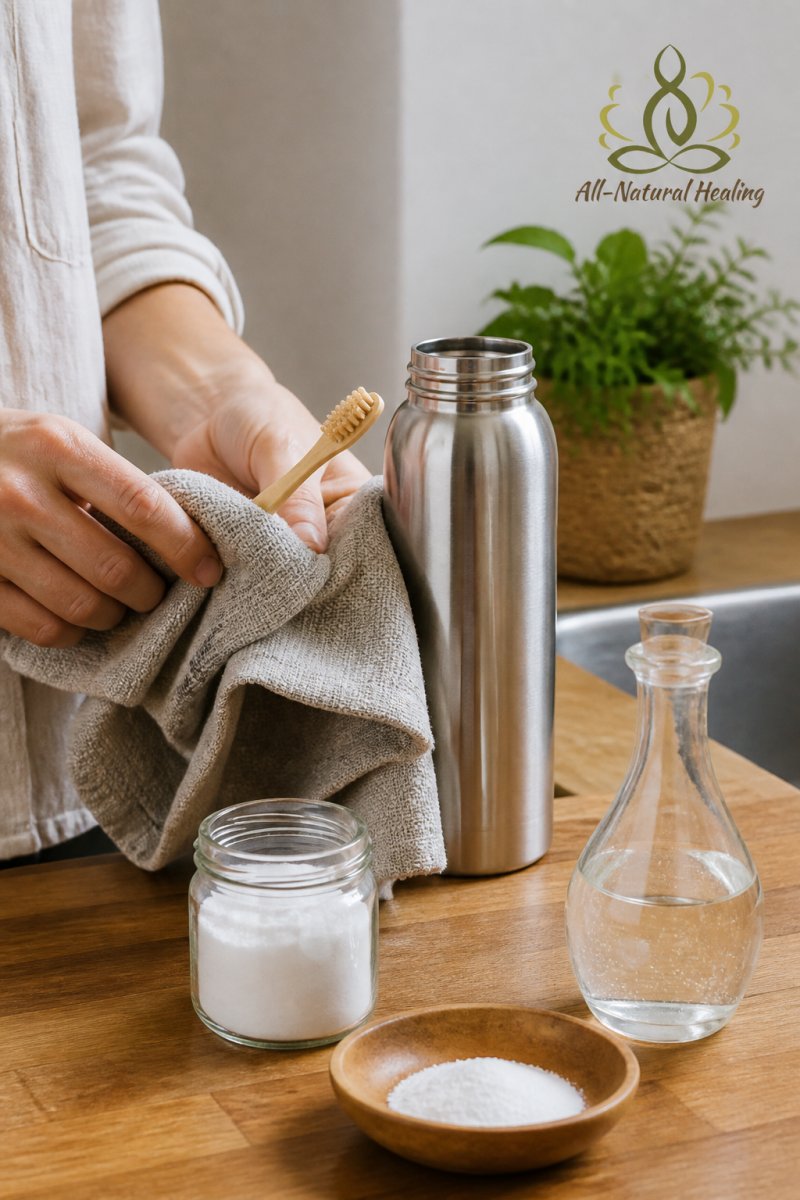
- Dry bamboo thoroughly. Store toothbrushes and utensils upright so air reaches all sides. Damp bamboo invites mold.
- Clean stainless steel with mild soap. Avoid abrasive pads that scratch the surface and create spots where corrosion starts.
- Hand-wash silicone with warm water. Dishwashers are usually fine, but high heat cycles can shorten silicone's life over time.
- Inspect glass for chips. A small chip weakens the whole container. Retire it before it fails.
- Refresh naturally. A paste of baking soda and water removes residue from most materials without harsh chemicals.
The Cost-per-Use Reality of Going Plastic Free
Cost-per-use is the honest way to judge whether plastic free products are worth it, but most comparisons stop at the sticker price. The real math includes three variables: upfront cost, expected lifespan, and maintenance cost. Ignoring the third is why some shoppers feel burned after switching.
The Three-Variable Formula
Cost per use = (upfront cost + total maintenance cost over lifespan) ÷ total number of uses.
A cheap plastic item often wins on the first variable and loses badly on the second and third. A durable plastic free item usually loses on the first and wins decisively on the others. The crossover point, where the plastic free item becomes cheaper per use, typically arrives within the first few months for daily-use items and within the first year for occasional-use items.
Worked Examples
Here is how the math plays out across common categories:
| Product | Upfront Cost | Typical Lifespan | Maintenance Cost | Cost-Per-Use Pattern |
|---|---|---|---|---|
| Wool dryer balls (6-pack) | $19.00 | 1,000+ loads | None | Fractions of a cent per load |
| Buckwheat yoga pillow | $39.95 | Several years | Occasional cover wash | Pennies per session |
| Grounding fitted sheets | $75.00 | Years with care | Regular laundering | Low when used nightly |
| Stainless steel water bottle | $25-$45 | 10+ years | Gasket replacement every 1-2 years | Pennies per fill |
| Bamboo toothbrush | $4-$8 | 3-4 months | None | Comparable to plastic per use |
| Disposable plastic alternative | Low per unit | Single use | None | Adds up fast |
The upfront price of sustainable goods is higher. The per-use cost usually is not. That is the part most shoppers miss when they compare a $19 item to a $3 one without factoring in how many times each gets used.

The Maintenance Cost Most Comparisons Ignore
Durable materials are not maintenance-free. Stainless steel bottle gaskets need replacing every 1 to 2 years, at a few dollars per gasket. Bamboo items need occasional oiling to prevent cracking. Glass containers need protective sleeves or careful storage to avoid chips. These costs are small, but they are real, and they narrow the gap between plastic free and plastic in the first year.
By year two, the gap reverses. A plastic bottle that costs $3 and lasts six months costs roughly $6 per year to replace. A $35 stainless steel bottle with a $3 gasket every 18 months costs roughly $2 per year after the first year. The plastic free option becomes cheaper to own, not just cheaper per use.
When Plastic Free Is Not Worth the Premium
There are honest cases where the math does not favor plastic free:
- Items you lose frequently. A reusable bottle you leave on trains is not a good investment. Buy a cheaper one until the habit sticks.
- Items used fewer than once a month. A specialty kitchen tool used twice a year will not break even in a reasonable timeframe.
- Items with high breakage risk. Glass in a household with young children or in a gym bag is a poor durability bet regardless of material quality.
The point is not that plastic free always wins. It is that the comparison should be run honestly, with all three variables, before deciding.
Weight, Ergonomics, and Everyday Usability
Weight and ergonomics decide whether you actually keep using a plastic free product, and that matters more than any spec sheet. A stainless steel bottle weighs more than a plastic one, which some people find tiring on long commutes. Glass containers are heavier in a lunch bag. Bamboo utensils are lighter than metal but thicker to grip.
These trade-offs are real, and pretending otherwise doesn't help anyone. The practical approach is to match the material to the use. For travel, lighter bamboo or silicone often wins. For home use, where weight matters less, stainless steel and glass deliver better longevity. Ergonomic handles and balanced shapes make more difference than most buyers expect, especially for items used daily like razors and toothbrushes.
A grounding fitted sheet, for example, blends 10% pure silver fiber with 90% organic cotton, so it feels like standard bedding while serving a wellness purpose. Comfort and function don't have to compete.

The real challenge with going plastic free isn't finding durable products. It's finding ones you can trust to be safe, well-made, and genuinely worth the switch. All-Natural Healing Store addresses that by having every item personally vetted by Dr. House, whose three decades of experience separate authentic sustainable goods from marketing hype. Explore the curated selection of plastic free personal care products, including organic wool dryer balls and grounding fitted sheets, and build a routine that respects both your health and the planet. Get started with All-Natural Healing Store and make every plastic free purchase count.
Frequently Asked Questions
Do plastic free products last as long as plastic ones?
It depends on the material and the product. Stainless steel and glass often outlast plastic by years: a stainless steel water bottle can last a decade, while a plastic one may crack within two. Bamboo and natural fibers tend to wear faster than synthetic polymers, especially with frequent washing. Overall, well-made plastic free products can match or beat plastic on lifespan when you follow basic care, like drying bamboo fully and avoiding abrasive cleaners on glass.
What materials are most durable for plastic free personal care?
Stainless steel, glass, and silicone rank highest for durability in personal care. Stainless steel resists rust and dents, glass is non-porous and infinitely recyclable, and silicone holds up to heat and bending without cracking. Bamboo and organic cotton are solid choices for items like toothbrushes and washcloths but need more frequent replacement. For products you use daily, choose stainless steel or glass to get the longest product lifespan.
How do you maintain plastic free products to ensure durability?
Dry bamboo and natural fibers completely after each use to prevent mold. Rinse glass and stainless steel with mild soap, and avoid abrasive scrubbers that scratch surfaces. For silicone, wash with warm water and let it air dry. Store items away from direct sunlight and extreme heat. These simple plastic free product maintenance tips extend material integrity and help you avoid early replacements, which also lowers your environmental footprint over time.
Is it worth the investment to switch to plastic free alternatives?
Run a cost-per-use comparison. A $19 set of organic wool dryer balls replaces roughly 1,000 dryer sheets, and a $75 grounding fitted bed sheet is a one-time purchase that can last years. When you divide the upfront price by months or years of use, many plastic free items cost less per use than disposables. The key is picking durable materials and caring for them so they deliver on that promise.


