


Table of Contents
- What Arthritis Is and How It Affects Joints
- Early Signs of Arthritis You Should Not Ignore
- An Anti-Inflammatory Diet for Arthritis
- Natural Remedies for Joint Pain That Work
- Managing Arthritis Pain: Medical and Integrative Options
- The Mental Health Impact of Chronic Arthritis
- Conclusion
- Frequently Asked Questions
Last Updated: September 26, 2026
What Arthritis Is and How It Affects Joints
Arthritis is a chronic condition characterized by joint inflammation, stiffness, and progressive damage to the structures that cushion and support your joints. Arthritis is not a single disease but an umbrella term covering more than 100 distinct conditions affecting the joints and surrounding tissues.
The word itself comes from the Greek "arthron" (joint) and "itis" (inflammation). That inflammation is the common thread. It attacks cartilage, the smooth tissue covering the ends of bones, and when cartilage wears down, bone grinds against bone. The result is pain, swelling, tenderness, and a reduced range of motion that can make even simple tasks feel exhausting.
What most people don't realize is that arthritis is not just a disease of aging. It can strike at any age, and its effects ripple far beyond the joints themselves.
CDC Arthritis Basics explains that arthritis is a leading cause of disability, affecting millions of adults and limiting everyday activities like walking, climbing stairs, and gripping objects.
Early Signs of Arthritis You Should Not Ignore
The earliest signs of arthritis often appear gradually: morning stiffness lasting more than 30 minutes, mild swelling around a joint, or a dull ache after periods of inactivity. Catching these signals early opens the door to better symptom management.
Here's what to watch for:
- Persistent joint stiffness after waking or sitting still
- Swelling and tenderness in one or more joints
- Reduced range of motion that doesn't improve with movement
- Warmth or redness around a joint
- Fatigue that accompanies joint discomfort
A common mistake is dismissing these early signs as "just getting older." Early intervention strategies, including physical activity adjustments and anti-inflammatory lifestyle choices, can slow joint degeneration and preserve mobility for years.
Osteoarthritis vs Rheumatoid Arthritis: Key Differences
Osteoarthritis and rheumatoid arthritis are the two most common forms, but they work very differently. Osteoarthritis is a degenerative disease caused by mechanical wear on cartilage. Rheumatoid arthritis is an autoimmune disease in which the immune system attacks the joint lining, driven by pro-inflammatory cytokines like TNF-alpha.
| Feature | Osteoarthritis | Rheumatoid Arthritis |
|---|---|---|
| Cause | Cartilage wear and tear | Autoimmune response |
| Onset | Gradual, often after 50 | Can begin at any age |
| Joints affected | Knees, hips, hands, spine | Hands, wrists, feet (both sides) |
| Morning stiffness | Under 30 minutes | Often over an hour |
| Systemic effects | Usually localized | Fatigue, fever, organ involvement |
Rheumatoid arthritis requires clinical assessment by a rheumatologist and often disease-modifying treatment. Osteoarthritis management leans more heavily on lifestyle, physical activity, and pain management strategies.
An Anti-Inflammatory Diet for Arthritis
An anti-inflammatory diet for arthritis focuses on foods that reduce systemic inflammation and support joint health while limiting items that trigger pro-inflammatory cytokine activity. This is one of the most practical levers you control.
Foods That Help and Foods to Avoid
Eat more of:
- Fatty fish rich in omega-3s (salmon, sardines, mackerel)
- Colorful vegetables and leafy greens
- Berries, which are high in antioxidants
- Olive oil, nuts, and seeds
- Turmeric and ginger
Limit or avoid:
- Refined sugars and processed snacks
- Trans fats and fried foods
- Excessive alcohol
- Red and processed meats
Pairing these changes with a turmeric supplement is a simple way to add curcuminoids, the compounds behind turmeric's antioxidant support for joint health.

Natural Remedies for Joint Pain That Work
Natural remedies for joint pain that work tend to share one trait: they reduce inflammation without disrupting your daily routine. The most reliable options combine topical heat, targeted movement, and herbal support.
What the Evidence Actually Supports
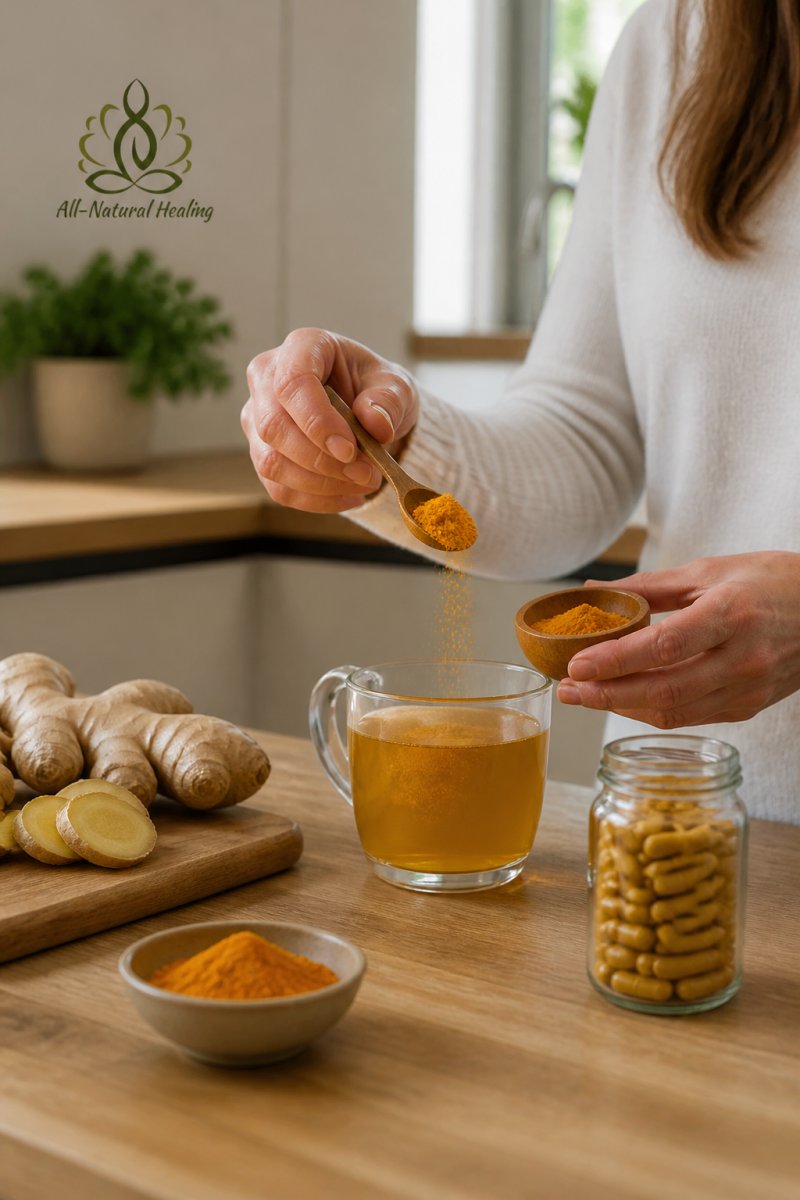
Turmeric (curcumin). Curcumin is the pigment that gives turmeric its color and its anti-inflammatory activity. The catch is that plain turmeric powder is poorly absorbed on its own. A common pattern is 500 mg of curcuminoids taken two to three times daily with food, but check with your clinician first, because curcumin can interact with blood thinners.
Omega-3 fatty acids. EPA and DHA from fatty fish (salmon, sardines, mackerel) or fish oil capsules help shift the body away from pro-inflammatory signaling. Plant sources like flaxseed provide ALA, which the body converts inefficiently, so fish or algae oil is usually the more direct route.
Ginger. Ginger contains gingerols, which appear to blunt some of the same inflammatory pathways as NSAIDs but far more gently. It is easy to add as fresh root in tea or cooking, and it pairs well with turmeric.
Glucosamine and chondroitin. These are among the most studied supplements for osteoarthritis, and the results are mixed. If you try them, give them a fair trial and stop if there is no change.
Topical capsaicin and menthol. These work through a different mechanism, they overwhelm pain signaling in the skin and reduce the sensation of joint pain without systemic effects.
Heat, Cold, and Movement
Heat therapy relaxes stiff muscles around affected joints and is best used before activity. Cold reduces swelling and is best used after activity or during a flare. Gentle range-of-motion exercises keep cartilage nourished and mobility intact, the old idea that exercise wears joints out has been replaced by the understanding that motion feeds cartilage.
Tools That Extend the Benefit
A handheld massage gun can reach the stubborn knots around sore joints that your hands can't. Used gently on surrounding muscles (never directly on bones or inflamed joints), it helps ease the tension that makes arthritis pain feel worse.
When using natural remedies, consider these guidelines:
- Start one remedy at a time so you can tell what is working.
- Give each a fair trial of at least 4 to 6 weeks.
- Tell your clinician about every supplement, especially if you take blood thinners, diabetes medication, or immunosuppressants.
- Stop anything that causes stomach upset, rash, or unusual bruising.
Managing Arthritis Pain: Medical and Integrative Options
Managing arthritis pain works best as a layered approach: medical treatment for the disease process, integrative therapies for daily comfort. Neither replaces the other, and the right mix depends on which type of arthritis you have.
Medical Options, Explained
NSAIDs (ibuprofen, naproxen, diclofenac). These reduce pain and inflammation but do not slow joint damage. They are best used at the lowest effective dose for the shortest time, because long-term use carries stomach, kidney, and cardiovascular risks. Topical NSAIDs are often a safer first step for hand or knee pain.
Integrative Therapies That Add Daily Relief
- Heat and traction devices for spinal and lumbar decompression
- Massage therapy to reduce muscle guarding around joints
- Mind-body practices like tai chi and gentle yoga, which improve balance and reduce fall risk
- Acupuncture, which some people find reduces pain even when the mechanism is not fully understood
- Herbal anti-inflammatories such as turmeric and ginger, used alongside, not instead of, medical care
A Simple Way to Sequence Care
Consider a layered approach to care:
- Foundation: daily movement, weight management, sleep, and an anti-inflammatory diet.
- Symptom layer: topical treatments, heat and cold, over-the-counter pain relief as needed.
- Medical layer: prescription medication, injections, or DMARDs guided by a clinician.
- Support layer: physical therapy, integrative therapies, and assistive tools.
Assistive Technology and Home Modifications
Assistive technology and home modifications reduce the daily strain arthritis places on your joints. Simple changes protect your range of motion and independence.
- Lever-style door handles instead of knobs
- Raised toilet seats and shower grab bars
- Reachers and jar openers for the kitchen
- Ergonomic seating with lumbar support
- A lumbar traction device with infrared heat for lower back relief at home
The Mental Health Impact of Chronic Arthritis
Support groups, counseling, and gentle physical activity all help. So does staying connected to a care team that treats you as a whole person.

Conclusion
Arthritis is a chronic condition that rewards early action and consistent daily choices. The people who manage it best combine medical care, an anti-inflammatory diet, targeted natural remedies, and honest attention to their mental health.
Frequently Asked Questions
What are the 5 common early signs of arthritis?
The five most common early signs are joint stiffness, especially in the morning; swelling in one or more joints; tenderness when pressing on the joint; a reduced range of motion; and a warm sensation around the joint. These symptoms often appear gradually and may come and go. If you notice persistent stiffness lasting more than 30 minutes after waking, see a rheumatologist for a proper diagnosis.
What foods should I avoid with arthritis?
An anti-inflammatory diet for arthritis typically limits fried foods, refined sugars, processed meats, and excessive alcohol. These foods can raise pro-inflammatory cytokines like TNF-alpha, which worsen joint inflammation. Instead, focus on fatty fish, leafy greens, berries, nuts, and olive oil. Some people also find nightshades (tomatoes, peppers) trigger flare-ups. Keep a food diary to identify your personal triggers.
How does osteoarthritis differ from rheumatoid arthritis?
Osteoarthritis is a degenerative disease caused by cartilage damage and wear over time. Rheumatoid arthritis is an autoimmune disease where the immune system attacks the joint lining, causing systemic inflammation. OA usually affects weight-bearing joints on one side; RA tends to affect smaller joints symmetrically on both sides. RA also causes fatigue and can impact organs. Treatment approaches differ significantly.
Can natural remedies for joint pain really help with arthritis?
Yes, natural remedies can be a supportive part of symptom management. Turmeric, for example, contains curcuminoids that may help with joint inflammation. Heat therapy, gentle physical activity, and devices like lumbar traction can ease stiffness. However, natural remedies work best alongside medical care, not as a replacement. Always consult your rheumatologist before starting supplements, especially if you take prescription medications.


