


Table of Contents
- Why Herbal Remedies for Chronic Wellness Support Are Gaining Ground
- Herbal Supplement Safety Guidelines: What You Must Know First
- FDA Regulation of Dietary Supplements: What It Means for Your Choices
- Herbs for Chronic Inflammation: What the Evidence Shows
- Integrating Herbal Medicine with Conventional Care
- How to Choose Quality Herbal Remedies for Chronic Wellness Support
- Conclusion: Building a Safe, Personalized Herbal Routine
- Frequently Asked Questions
Last Updated: September 15, 2026
Why Herbal Remedies for Chronic Wellness Support Are Gaining Ground
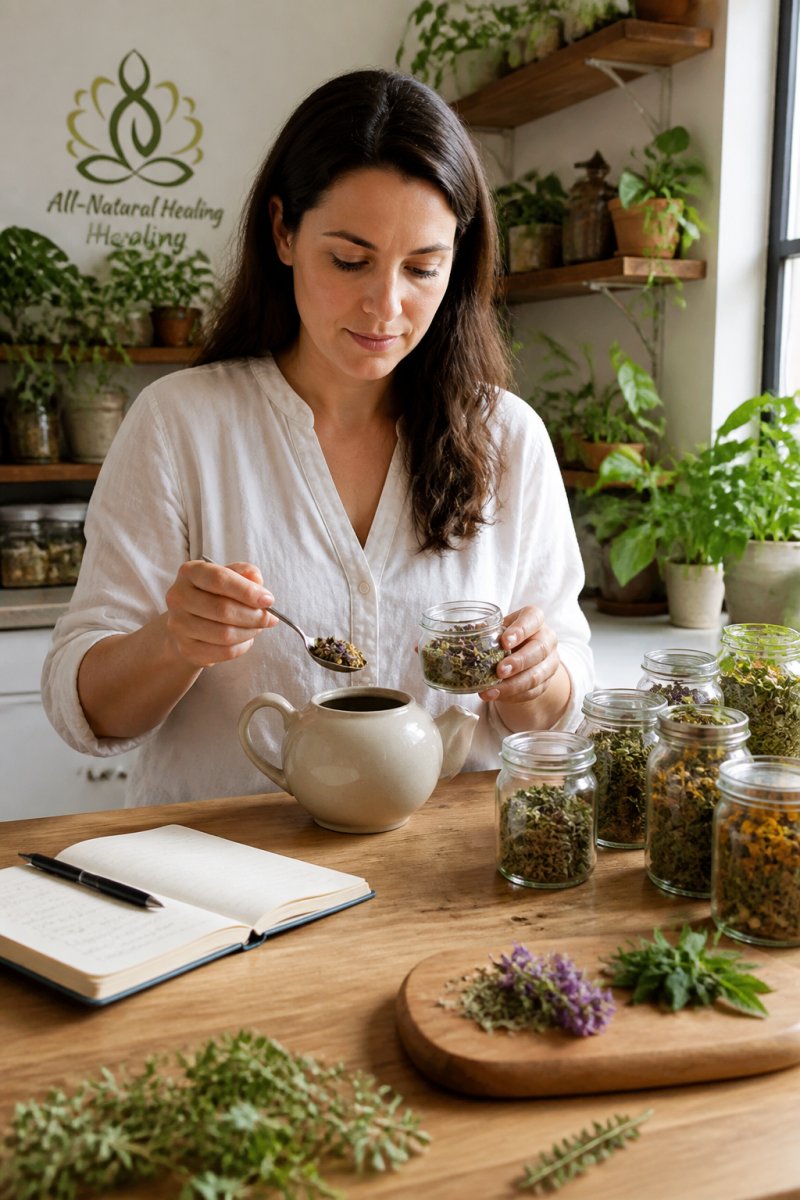
Herbal remedies for chronic wellness support are plant-based preparations used to manage long-term health concerns, from joint stiffness to poor sleep, often alongside conventional care. At All-Natural Healing Store, we've watched this interest grow steadily, and the reason is simple: people managing ongoing conditions want options that feel gentler on the body and easier to sustain for years, not weeks.
That said, "natural" and "safe" are not the same word. The FDA's consumer guidance on dietary supplements makes clear that supplements are regulated differently from prescription drugs, which puts more responsibility on you to choose carefully. Below, we'll walk through the safety rules, the herbs worth your attention, and how to build a routine that works with your doctor's plan, not against it.
Herbal Supplement Safety Guidelines: What You Must Know First
The first rule of herbal supplement safety guidelines is this: tell your doctor about everything you take, including teas and powders. Many people skip this step because they assume plant-based means harmless, and that assumption causes real problems. The second rule is more practical: know how herbs interact with medication, not just that they can.
The Four Interaction Mechanisms You Need to Recognize
Almost every drug-herb interaction falls into one of four categories. Once you know the categories, you can predict risk instead of memorizing a list.
- Blood thinning and platelet effects. Some herbs reduce platelet aggregation or affect clotting factors, stacking on top of anticoagulants and antiplatelet drugs. Ginkgo biloba, garlic, ginger at high doses, and turmeric in concentrated extracts are the common examples. The risk shows up as easy bruising, prolonged bleeding from small cuts, or nosebleeds.
- Liver enzyme induction or inhibition. Your liver uses cytochrome P450 enzymes to clear many medications. St. John's wort is the best-documented inducer, it can speed clearance of certain drugs until they stop working at their normal dose. Goldenseal is a documented inhibitor, which can push drug levels higher than intended.
- Blood pressure and fluid balance. Licorice root contains glycyrrhizin, which can raise blood pressure and deplete potassium with regular use (Pseudohyperaldosteronism, Liquorice, and Hypertension). That matters most for anyone on antihypertensives or diuretics. Ginseng can also nudge blood pressure and blood sugar.
- Immune stimulation. Echinacea and astragalus are marketed for immune support, but immune-stimulating herbs deserve caution in anyone taking immunosuppressants after a transplant or for an autoimmune condition.
A Structured Way to Check Any Herb Before You Start
Most articles stop at "ask your doctor." Here is the actual sequence to run, in order:

- Step 1, Identify the herb precisely. Get the scientific name and the plant part. "Turmeric" and "turmeric extract standardized to 95% curcuminoids" are not the same exposure.
- Step 2, List every medication, including over-the-counter. Blood thinners, blood pressure drugs, diabetes medication, antidepressants, immunosuppressants, and even daily aspirin all belong on the list.
- Step 3, Check the interaction category. Match the herb against the four mechanisms above. If it touches clotting, liver enzymes, blood pressure, or immune function, flag it.
- Step 4, Verify with a pharmacist, not just a search engine. Pharmacists have interaction databases that consumer websites do not, and a consultation is typically free at most pharmacies.
- Step 5, Separate dosing times. When an interaction is mild and your doctor approves the herb, taking it several hours apart from medication reduces peak overlap.
- Step 6, Track symptoms for two weeks. New bruising, dizziness, sleep changes, or stomach upset after starting an herb is a signal to pause and call your prescriber.
Medication Classes That Deserve Extra Caution
If you take any of the following, treat every new herb as a conversation with your prescriber first: warfarin and other anticoagulants, antiplatelet drugs, blood pressure medication, diabetes medication including insulin, thyroid replacement, immunosuppressants, and antidepressants, especially SSRIs, where St. John's wort is a well-known concern.
A simple habit makes all of this easier: keep a one-page medication and supplement list in your wallet or phone, updated every time something changes. Bring it to every appointment, including dental and eye exams. Transparency is what turns an herbal routine from a gamble into a managed part of your care.
FDA Regulation of Dietary Supplements: What It Means for Your Choices
FDA regulation of dietary supplements means the agency does not approve supplements for effectiveness before they hit shelves. Under current rules, companies are responsible for ensuring their products are safe, and the FDA steps in after problems are reported (the FDA). That's a meaningful difference from how prescription drugs are reviewed.
What does this mean in practice? Label accuracy varies by brand, and independent testing has repeatedly found products that don't match their labels. Buying from sellers who vet their suppliers, like All-Natural Healing Store, narrows that risk considerably. Look for brands that publish third-party test results and list every ingredient, including amounts.
Herbs for Chronic Inflammation: What the Evidence Shows
Herbs for chronic inflammation have the strongest research backing of any category in this guide. Chronic inflammation sits behind many long-term conditions, and certain herbs show measurable anti-inflammatory activity in clinical research, though results vary by preparation and dose.
Turmeric, Ginger, and Other Anti-Inflammatory Herbs
Turmeric is the most studied of the group, thanks to curcumin, its active compound.
| Herb | Best For | Key Consideration |
|---|---|---|
| Turmeric | Joint comfort, mobility | Needs enhanced absorption |
| Ginger | Digestive support, inflammation | Gentle for most people |
| Ginkgo biloba | Memory, concentration | Interacts with blood thinners |
| Licorice root | Throat, respiratory comfort | Avoid with high blood pressure |
Integrating Herbal Medicine with Conventional Care
How to Choose Quality Herbal Remedies for Chronic Wellness Support
What Third-Party Testing Actually Confirms
Label Terms That Actually Mean Something
Sourcing Red Flags
A few patterns reliably predict a low-quality product:
A Practical Buying Checklist
When you find a brand you trust, save the COA link for the batch you bought. If the manufacturer reformulates or changes suppliers, the next batch may not match, and you'll want to compare.
Conclusion: Building a Safe, Personalized Herbal Routine
Frequently Asked Questions
What herbs help with chronic inflammation?
Turmeric, ginger, and Boswellia are among the most studied herbs for chronic inflammation. Turmeric contains curcumin, which may help reduce inflammatory markers. Ginger has similar properties and is easy to add to meals or tea. A 2026 review in the Journal of Herbal Medicine found that standardized extracts of these herbs showed measurable benefits for joint comfort and mobility. Always choose products from reputable brands that list the exact extract strength and follow dosage guidelines.
Are herbal supplements regulated for safety and purity?
In the United States, the FDA regulates dietary supplements under a framework that treats them more like foods than drugs. This means products do not need pre-market approval for safety or effectiveness. The FDA can take action against unsafe products after they reach the market. To ensure purity, look for third-party testing seals such as USP, NSF, or ConsumerLab. These organizations verify that the product contains what the label claims and is free from contaminants like heavy metals.
How do I safely integrate herbal remedies with my current treatment plan?
Start by talking to your doctor or pharmacist about every herb you plan to use. Bring a list with specific names and dosages. Some herbs can interact with prescription medications, such as blood thinners or blood pressure drugs. A pharmacist can check for interactions using databases like the Natural Medicines Comprehensive Database. Introduce one herb at a time and monitor for any changes in how you feel. Keep a symptom diary to share with your healthcare team.
What is the strongest herb for chronic pain?
There is no single strongest herb for chronic pain because pain has many causes and individual responses vary. However, turmeric, ginger, and devil's claw have the most consistent evidence for reducing inflammatory pain. A 2025 clinical trial in Pain Medicine reported that a standardized turmeric extract reduced joint pain scores by 30% over eight weeks. For nerve-related pain, some people find relief with St. John's wort, but it interacts with many medications. Always consult a healthcare provider before using any herb for pain.
How can herbal remedies support chronic fatigue recovery?
Adaptogenic herbs like ashwagandha, rhodiola, and ginseng may help the body manage stress and improve energy levels. A 2024 study in Phytotherapy Research found that ashwagandha root extract reduced fatigue scores by 25% in adults with chronic stress. These herbs work best alongside lifestyle changes such as consistent sleep, balanced nutrition, and gentle exercise. Start with a low dose and increase gradually. Avoid stimulant herbs like ephedra, which can be dangerous.
What are the most common herbal remedies for daily wellness support?
For daily wellness, many people use adaptogens like ashwagandha for stress, turmeric for inflammation, and ginger for digestion. Other popular choices include echinacea for immune support and valerian root for sleep. The key is to match the herb to your specific health goal and to choose high-quality products. Look for organic, non-GMO options and follow the recommended dosage on the label. Rotate herbs every few months to avoid building tolerance.
Managing a chronic condition takes patience, and the last thing you need is a supplement shelf full of guesswork. All-Natural Healing Store curates every product with Dr. House's 30 years of experience behind it, from turmeric and ginkgo to respiratory-supporting teas, so you can build a routine on verified quality instead of marketing claims. Explore the collection and add to cart with confidence, knowing each item was chosen to support your long-term wellness safely.


