

Table of Contents
- Why Identifying Authentic Herbal Supplements Matters
- How to Read Supplement Labels for Authenticity
- Understanding Third-Party Supplement Testing and Certifications
- FDA Dietary Supplement Regulations and Your Protection
- Evaluating Manufacturer Reputation and Supply Chain Transparency
- Step-by-Step Verification Process for Herbal Supplements
- Common Red Flags That Indicate Counterfeit or Adulterated Supplements
- Consulting Healthcare Professionals Before Purchasing
- Frequently Asked Questions
Last Updated: September 3, 2026
Why Identifying Authentic Herbal Supplements Matters
Counterfeit and adulterated herbal supplements flood the market. You might be paying for premium ingredients and getting fillers, contaminants, or something entirely different. This isn't just a waste of money, it's a health risk. At All-Natural Healing Store, we've spent 30 years learning how to spot the fakes and verify the real thing.
The stakes are high. Adulteration can introduce heavy metals, microbial contamination, or undisclosed pharmaceutical ingredients that interact with medications or trigger allergic reactions (the FDA). A supplement that looks legitimate on the shelf might contain none of the botanicals listed on the label. This is why learning to identify authentic herbal supplements is non-negotiable if you're serious about your health.
The good news: authentication isn't complicated. It's a process. Once you know what to look for, what the label must say, which certifications matter, how to verify batch testing, and where to buy safely, you can shop with confidence. This guide walks you through every step.
How to Read Supplement Labels for Authenticity
The Supplement Facts panel is your first line of defense. It's not optional marketing copy, it's a legal requirement that tells you exactly what you're getting.
What the Supplement Facts Panel Must Include
The Supplement Facts panel must list every active ingredient by name, the amount per serving in milligrams or other measurable units, and the % Daily Value when one exists. If a label says "proprietary blend" without breaking down individual ingredients and their amounts, that's a red flag. Manufacturers hide weak formulations or questionable ingredients behind vague language.
Look for standardized extracts. If the label lists "ginseng root powder 500 mg" without mentioning standardization, you don't know the potency. A standardized extract specifies what percentage of the active compound you're getting, for example, "ginseng root extract (standardized to 4% ginsenosides) 500 mg." This tells you exactly what you're paying for.
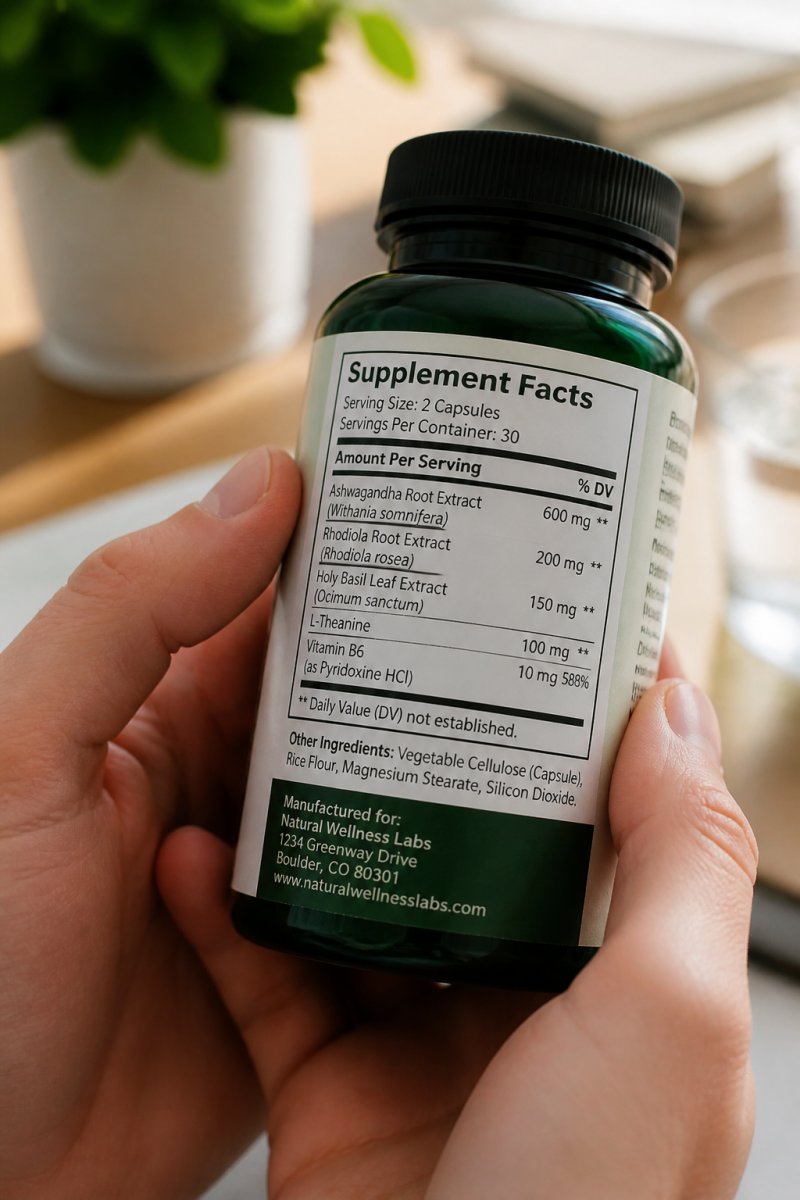
The label must also list the source of each ingredient. "Echinacea root" is more specific than just "echinacea." Geographic origin matters too, some regions have stricter quality controls than others. Reputable manufacturers list where botanicals are sourced.
Check the "Other Ingredients" section. This lists binders, fillers, and capsule materials. Common fillers like microcrystalline cellulose are harmless, but unnecessary fillers increase tablet size and reduce active ingredient concentration. More filler means less of what you paid for.
Recognizing Red Flags on Packaging
Spelling errors, inconsistent branding, or blurry printing are warning signs of counterfeit products. Legitimate manufacturers invest in professional packaging. If the label looks hastily assembled, the product probably is too.
Watch for exaggerated health claims. The FDA prohibits supplement companies from claiming their products "cure" or "treat" diseases. If a label says a supplement "cures diabetes" or "treats cancer," that manufacturer is either ignorant of regulations or deliberately breaking them. Either way, don't trust them.
Vague ingredient sourcing is another warning. If the label doesn't specify where botanicals come from or how they're processed, the manufacturer is hiding something. Transparency about sourcing is a mark of quality.
Missing batch numbers or manufacturing dates suggests the product may have been sitting in storage too long or could be counterfeit. Legitimate supplements include batch codes that allow traceability.
Understanding Third-Party Supplement Testing and Certifications
Third-party testing is the gold standard for verification. An independent lab tests the finished product to confirm it contains what the label claims and is free from contaminants. This is separate from the manufacturer's own quality checks, it's an outside verification.
Key Certifications to Look For
NSF International, USP (United States Pharmacopeia), and ConsumerLab are the most respected third-party testing organizations. Each has rigorous standards for potency, purity, and absence of contaminants like heavy metals and microbial pathogens.
NSF certification means the product has been tested for identity, strength, and purity. It also verifies that the manufacturing facility follows good manufacturing practices (GMP). This certification appears as a seal on the bottle.
USP verification confirms that a supplement meets standards for strength, quality, purity, and manufacturing. USP-verified products have undergone testing for the exact ingredients listed and absence of harmful substances.
ConsumerLab conducts independent testing and publishes results online. You can look up a specific product and see the actual test results. This transparency is valuable, you're not just trusting a seal; you can see the data.
Look for the NSF, USP, or ConsumerLab seal on the bottle. If a manufacturer claims third-party testing but you can't find the seal or verify it online, they're likely lying.
How to Verify Certificates of Analysis
A Certificate of Analysis (CoA) is the lab report proving the product passed testing. Reputable manufacturers provide CoA documents on their website or upon request. You should be able to find it by searching the product name and "certificate of analysis."
The CoA lists the batch number, testing date, and specific results for potency and contaminants. Match the batch number on your bottle to the batch number on the CoA, they must align. If they don't, you have a counterfeit or mislabeled product.
Look for test results for heavy metals (lead, cadmium, arsenic, mercury), microbial contamination (E. coli, salmonella), and pesticide residues. The CoA should show that the product passed these tests or came in under acceptable limits.

If a manufacturer won't provide a CoA or says "it's proprietary," walk away. Legitimate companies are proud of their testing results and share them freely.
FDA Dietary Supplement Regulations and Your Protection
The FDA regulates dietary supplements differently than pharmaceuticals. Supplement manufacturers are responsible for ensuring their products are safe and that label claims are truthful. The FDA doesn't pre-approve supplements before they're sold, it acts after problems are reported (the FDA).
This means you need to be more vigilant. The FDA has authority to remove dangerous supplements from the market, but only after they've caused harm or been proven unsafe. This is why third-party testing and manufacturer reputation matter so much.
Supplements must be manufactured under good manufacturing practices (GMP). This is a federal requirement that sets standards for facility cleanliness, equipment maintenance, personnel training, and record-keeping. If a manufacturer doesn't follow GMP, the FDA can take action.
The FDA also monitors adverse event reports. If a supplement is linked to serious health problems, the agency can issue recalls or warning letters to manufacturers. Check the FDA's official recalls and alerts page regularly to see if any supplements you use have been flagged.
Evaluating Manufacturer Reputation and Supply Chain Transparency
A manufacturer's track record tells you whether they take quality seriously. Companies with decades of experience, consistent third-party testing, and transparent sourcing practices are far more reliable than new brands with no verifiable history.
Research the company online. Look for published CoAs, third-party certifications, and customer reviews that mention product consistency and effectiveness. If you find complaints about counterfeit products or contamination, that's a warning sign.
Supply chain transparency means knowing where ingredients come from and how they're processed. Some manufacturers work directly with growers; others purchase from suppliers. Direct relationships with growers often mean better quality control, but either approach can work if the manufacturer verifies ingredient quality.
Ask manufacturers questions. Legitimate companies respond to inquiries about sourcing, testing, and manufacturing. If customer service is evasive or dismissive, that's a red flag.
At All-Natural Healing Store, every product is personally vetted by Dr. House, also known as "Dr. Holistic," who brings 30 years of experience in environmentally safe health and nutrition. This level of personal curation means you're not just buying a supplement, you're getting one that's been verified by someone with decades of expertise in spotting authenticity.
Step-by-Step Verification Process for Herbal Supplements
Use this process every time you buy a new supplement. It takes a few minutes and protects you from counterfeits and adulterated products.
Step 1: Check the Manufacturer's Background
Start by researching the company. Visit their official website and look for:
- How long they've been in business
- Where they're located
- Whether they list contact information
- Any third-party certifications displayed prominently
- Information about their sourcing practices
Search for the company name plus "lawsuit," "recall," or "FDA warning" to see if there's a history of problems. A few complaints are normal for any company, but multiple recalls or regulatory action is a serious concern.
Step 2: Verify Batch Numbers and Testing Results
Find the batch number on your bottle. It's usually on the back label or bottom of the container. Go to the manufacturer's website and search for their CoA database. Enter the batch number and look for the corresponding Certificate of Analysis.
The CoA should show:
- Batch number matching your bottle
- Testing date within the past 12-24 months
- Results for potency (does it contain the amount listed?)
- Results for contaminants (heavy metals, microbial pathogens, pesticides)
- Name of the testing lab
- Signature or seal from the lab
If you can't find the CoA online, contact the manufacturer directly and request it. They should email it to you within 24-48 hours. If they refuse or delay, that's a red flag.
Step 3: Confirm Ingredient Sourcing and Quality Standards
Look at the Supplement Facts panel again. Does it specify where each botanical comes from? Reputable manufacturers list geographic origin for key ingredients.
Check whether the manufacturer mentions their quality standards. Do they use organic ingredients? Do they test for pesticides? Do they verify that ingredients are free from GMOs? These practices aren't always necessary, but they show a commitment to quality.
If the label lists a standardized extract, verify the standardization percentage. "Curcumin extract (95% curcuminoids)" tells you exactly what you're getting. Compare this to competitors' formulations to see if you're getting a quality product.
Step 4: Cross-Check with Trusted Retailers
Where you buy matters. Supplements sold through reputable retailers, both online and in-store, are more likely to be authentic than those from unknown sellers.
Avoid third-party marketplaces where individual sellers list supplements. Counterfeiters often use these platforms because they're harder to monitor. Buy directly from the manufacturer's website or from established retailers known for vetting their suppliers.
If you buy through a major retailer like Amazon or a health food store, check their return policy. Legitimate retailers stand behind their products and accept returns if you find problems.
Common Red Flags That Indicate Counterfeit or Adulterated Supplements
Unusually low prices are a major warning sign. If a supplement costs significantly less than competitors, it's likely counterfeit or contains substandard ingredients. Quality costs money.
Supplements that promise rapid results or claim to cure serious diseases are suspect. Herbal supplements work gradually and support health, they don't provide overnight cures. If the marketing sounds too good to be true, it probably is.
Difficulty finding third-party certifications or CoAs is a red flag. Legitimate manufacturers make this information easy to access. If you have to dig or contact customer service multiple times, that's a problem.
Inconsistent product appearance across batches suggests quality control issues. If your recent bottle looks noticeably different from an older one you have, that could indicate a manufacturing change or counterfeit.
Supplements purchased from international sellers without verification are risky. While some international manufacturers are excellent, counterfeiters often ship from overseas where enforcement is weaker.
Consulting Healthcare Professionals Before Purchasing
Before starting any herbal supplement, talk to your healthcare provider. Some botanicals interact with medications, can cause side effects in people with certain conditions, or aren't appropriate during pregnancy or breastfeeding.
Your doctor or pharmacist can review your current medications and flag potential interactions. They can also recommend dosages and help you understand whether a supplement is appropriate for your specific health situation.
If you're managing a chronic wellness concern, professional guidance is especially important. A healthcare provider can help you evaluate whether a supplement is likely to help or if a different approach would be more effective. If you're dealing with sleep-related issues like sleep apnea, your healthcare provider can recommend both appropriate supplements and other solutions, such as the Dr. Holistic's Nasal Clip for Sleep Apnea, which can complement your overall wellness strategy.
Bring the supplement bottle or a photo of the label to your appointment. Your provider can review the ingredients, dosage, and manufacturer information to give you informed feedback.
Identifying authentic herbal supplements requires attention to detail and a willingness to verify before you buy. The process, checking labels, confirming third-party testing, researching manufacturers, and consulting healthcare professionals, protects you from counterfeits, adulteration, and wasted money. All-Natural Healing Store simplifies this by personally vetting every product through Dr. Holistic's 30 years of expertise, ensuring you get authentic, quality-tested supplements without the guesswork. Start with the verification steps outlined here, and you'll shop with confidence.
Frequently Asked Questions
How do I tell if my herbal supplements are real?
Check for third-party testing seals (USP, NSF, ConsumerLab), verify the manufacturer's Good Manufacturing Practices certification, and look up the batch number on the company's website. Authentic supplements have transparent labeling, complete ingredient lists with amounts, and clear contact information for the manufacturer. Counterfeit products often have misspellings, vague ingredient descriptions, or missing batch numbers.
What third-party certifications should I look for on supplement labels?
The most trusted certifications include USP (United States Pharmacopeia), NSF International, ConsumerLab, and Natural Products Association. These organizations conduct independent testing for purity, potency, and contamination. A supplement with one of these seals has been tested to verify that what's on the label matches what's in the bottle and that it's free from harmful contaminants like heavy metals and microbial pathogens.
How does the FDA regulate herbal supplements differently than drugs?
The FDA regulates dietary supplements under the Dietary Supplement Health and Education Act (DSHEA), which requires manufacturers to ensure safety and accurate labeling but does not require pre-market approval like drugs do. Manufacturers must report adverse effects to the FDA, and the agency can take action against unsafe products. However, supplements are not tested for efficacy before sale, so label claims must be truthful but cannot claim to treat, diagnose, or cure disease.
What are the most common red flags that indicate a supplement might be fake?
Watch for misspelled ingredient names, missing Supplement Facts panels, no batch or lot numbers, unusually low prices compared to competitors, vague or exaggerated health claims, no manufacturer contact information, and packaging that looks poorly printed or inconsistent. Counterfeit products may also lack third-party testing seals, have illegible expiration dates, or claim to treat specific diseases (which violates FDA regulations for supplements).
This article was written using GrandRanker


